Here from about the 19th of September 2026 will be further travels in yummy Scotland….
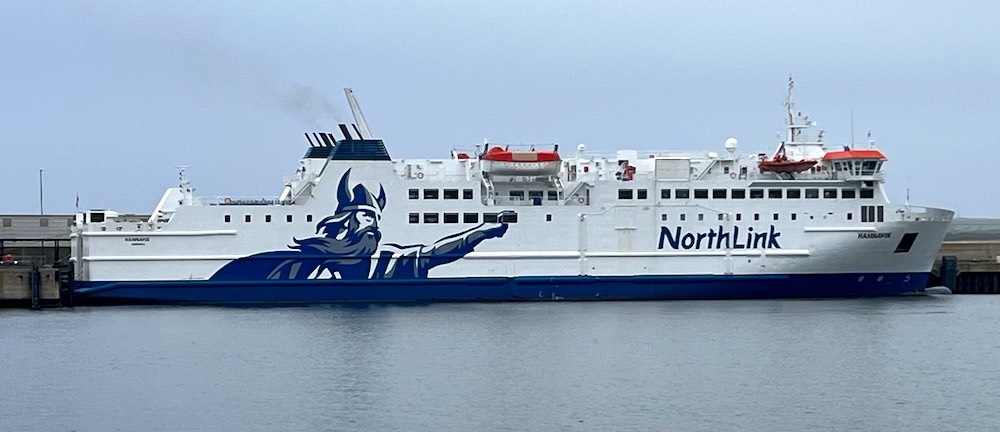
Took a while to get here – about 3 days before I was in place at the Orkney islands. So after a drive and a half from Edinburgh to the NE corner of Scotland, boarded a large ferry and heaved into a fabulous swell that while slow-ish, was so upski and downski and sidewayski that walking in a straight line was impossible, and walls were often needed to somehow avoid other teetering passengers. Much fun was had.
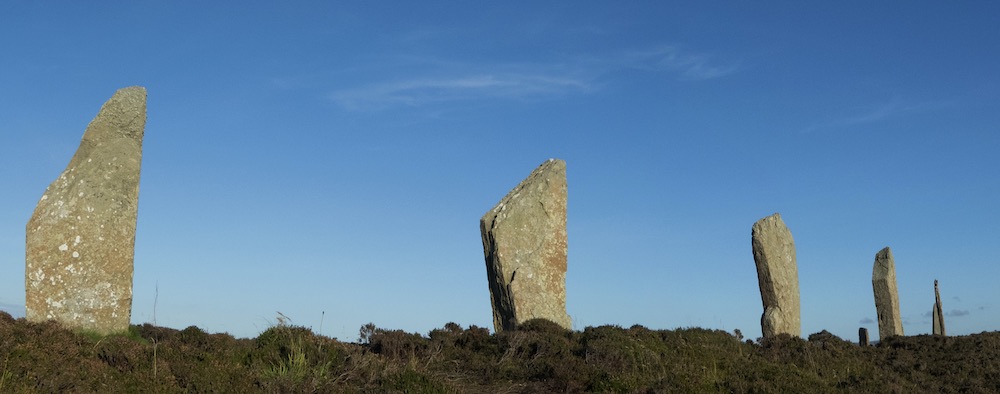
With wild changeable weather, the first place to visit in Orkney just had to be the Ring of Brodgar, a fab, not complete, ring of standing stones from about 5000 years ago. Note the fun shapes, and the verrry different weather in just the short time spent amongst them.
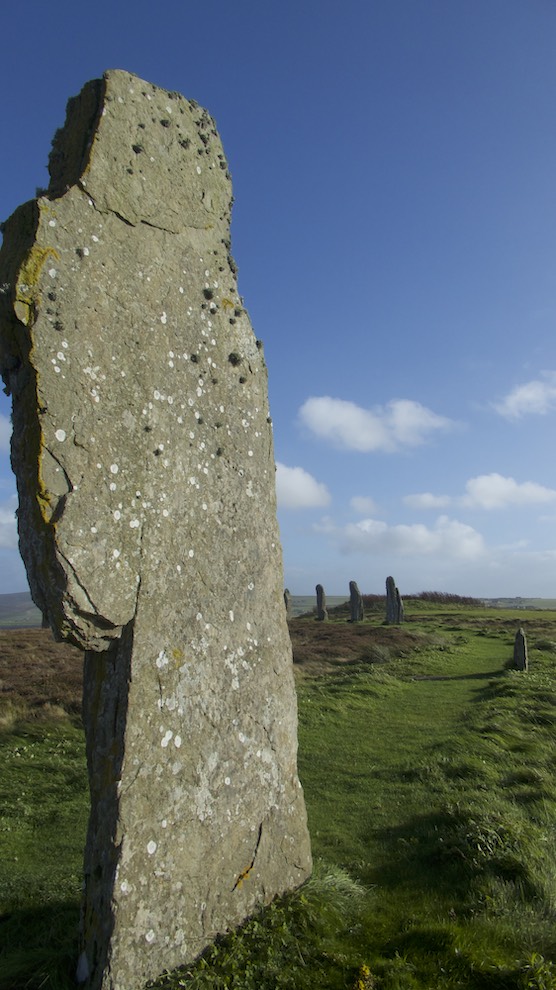
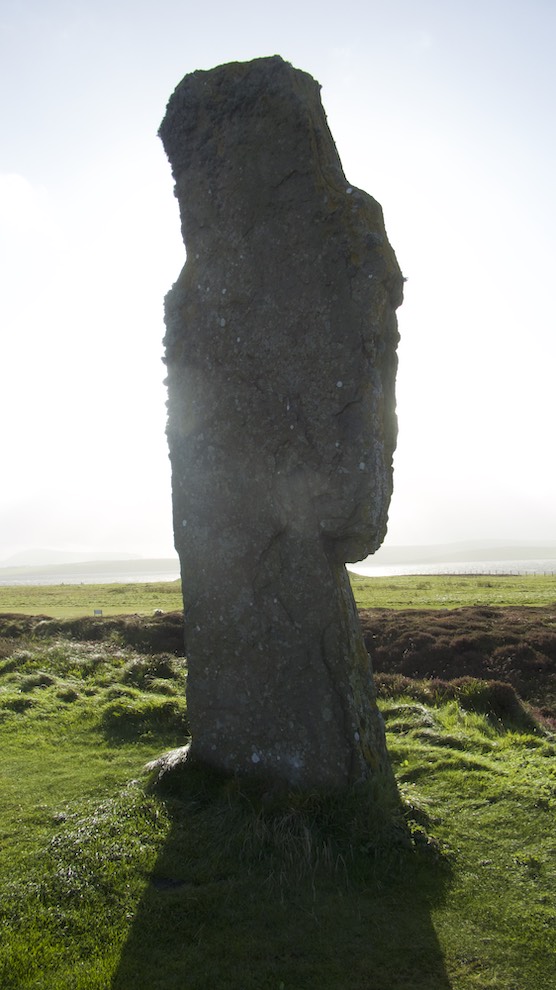
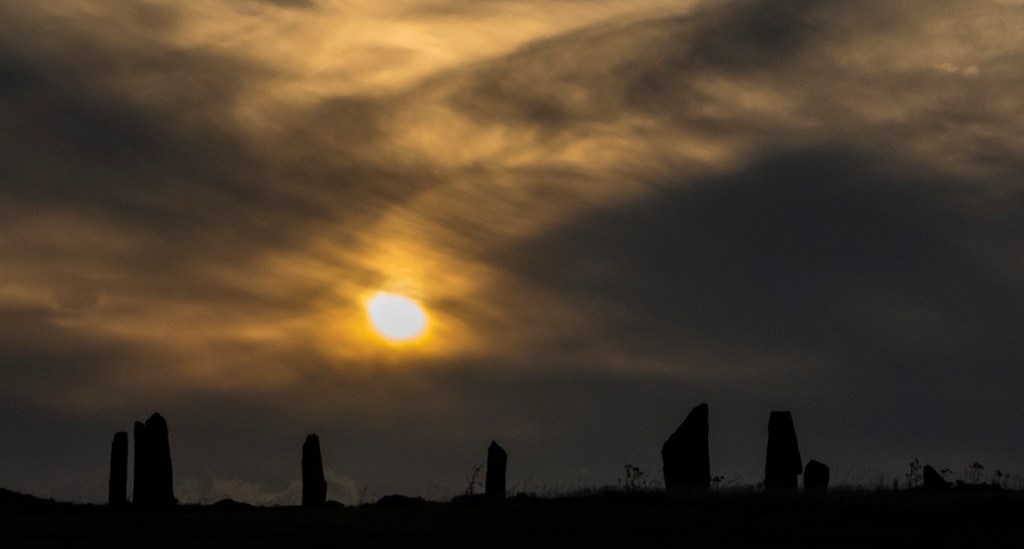
Cool mood for the stones, has attitude.
Next day the wind was sill outrageous – about number 7 on the Baufort scale I is told. So a good day for old man to go to the sea in ships. This time a small car ferry on the way to the sweet isle of Hoy.
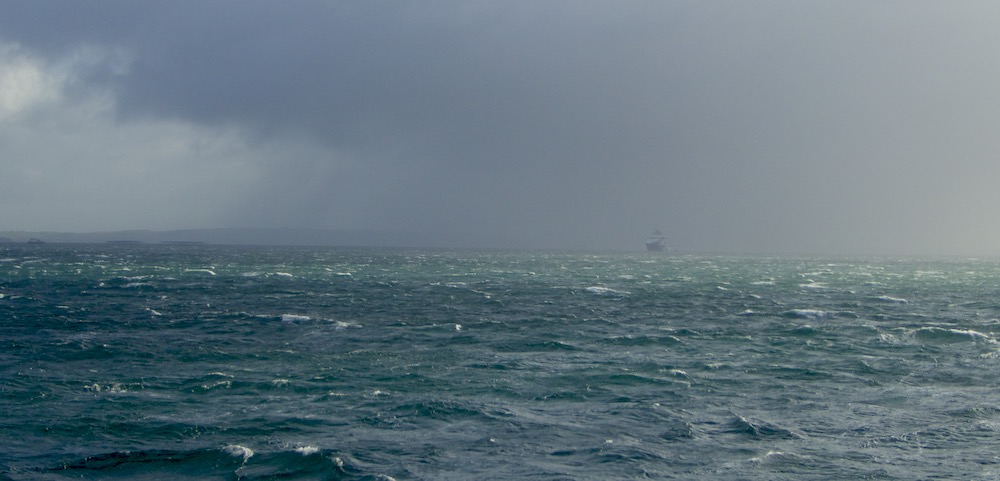
Even such weather in Scotland has no reason to believe it will be so all day. Very soon after, on the isle, the sun came and it was time to visit one of Scotland’s great secrets (what I discovered 11 years ago). A beach on the west side, a drive and a walk away, which is not mentioned in any brochures, but is dripping with magic. Dont tell anyone I showed it to you…
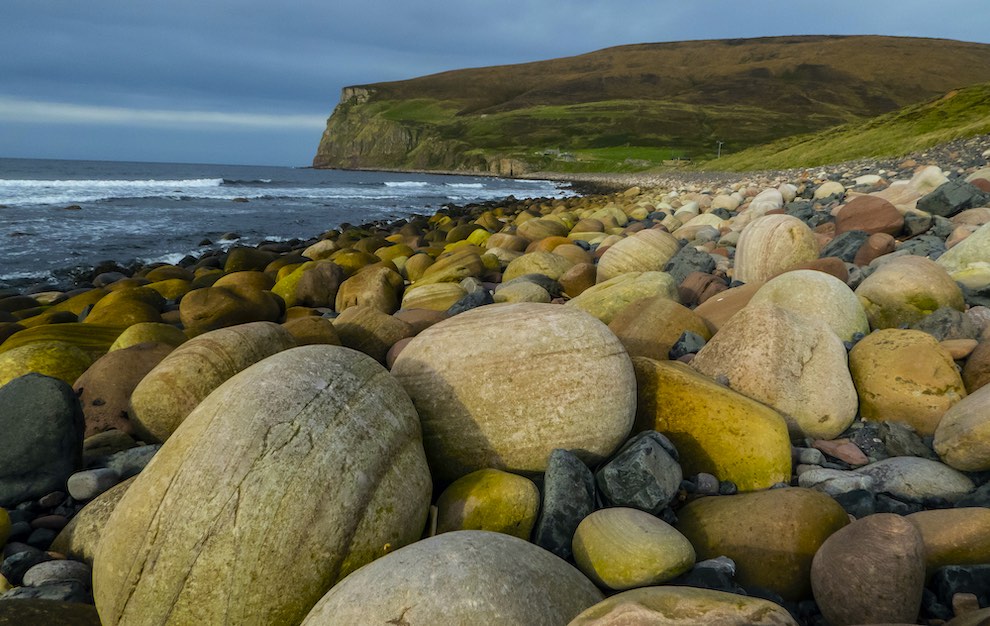
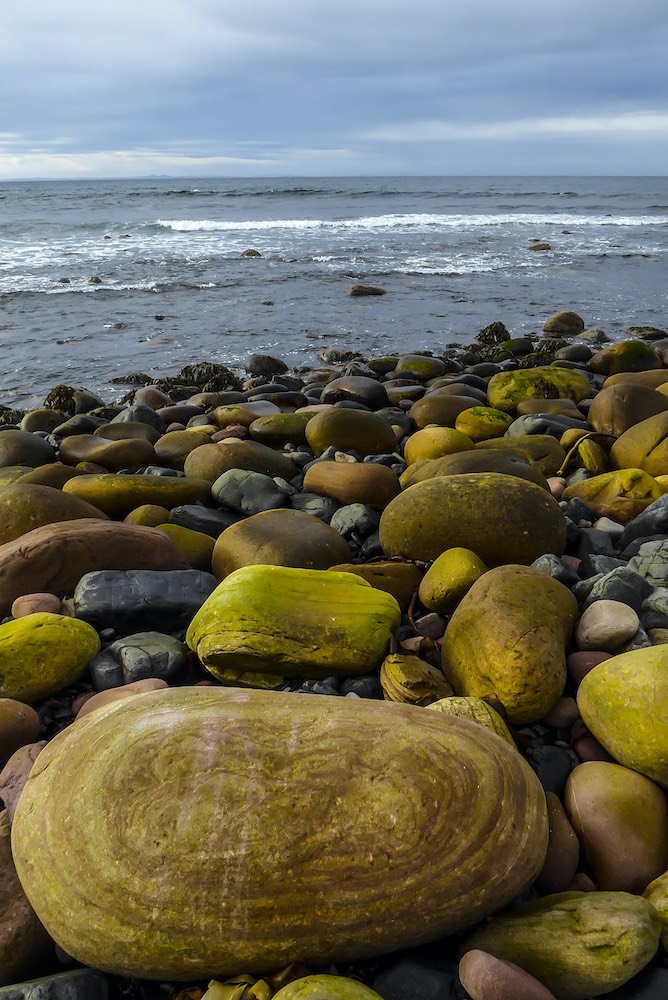
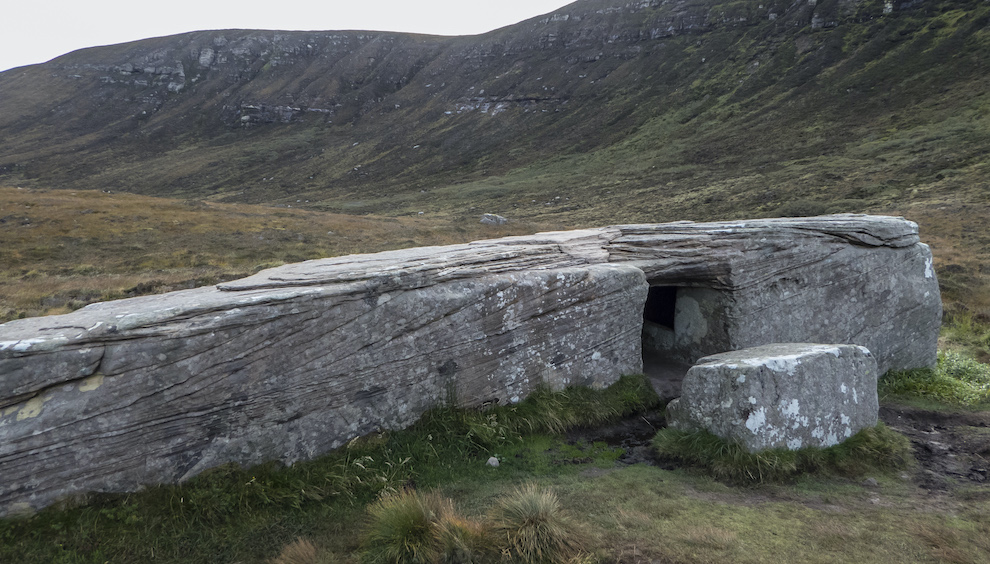
Fully great. On the way there is one of the most orignal tombs ever. Someones actually used this large sandstone boulder to carve out the insides as a burial chamber. And we be talking about 5000 thousads of years before tools better than bone and sharp stones were available. It is called the Dwarfie Stane.
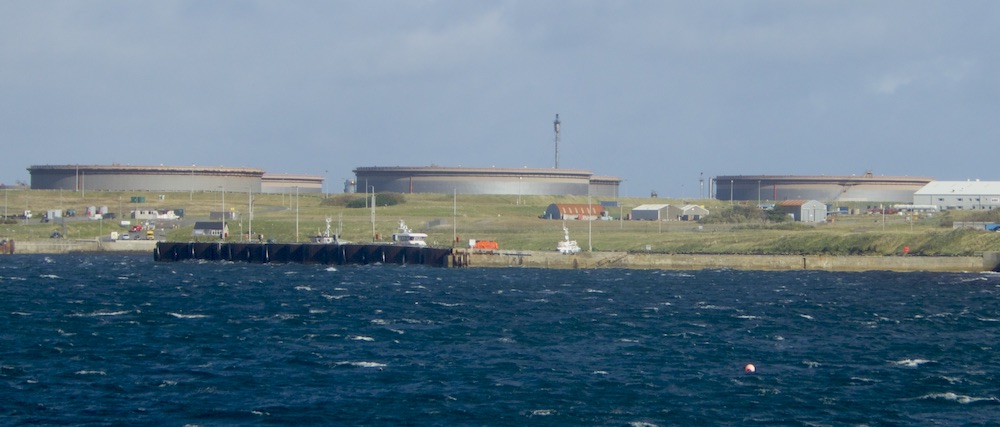
On the sailing back, we passed the small isle of Flotta, which hides something very topically important – a huge oil store for the UK. There are ten of these huge tanks, filled by pipelines with several million barrels of oil from Shetland oil fields, much north of here.
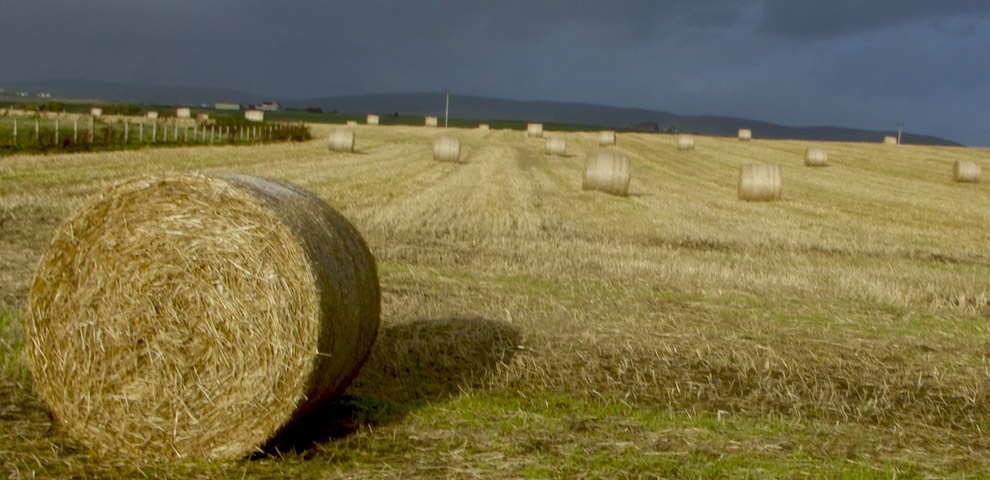
Back on the Mainland – what the Orkney locals call the main island, the sun showed a lovely pastoral scene. It is autumn now and so time to get the hay off the fields with what to feed the animalses over the winter.
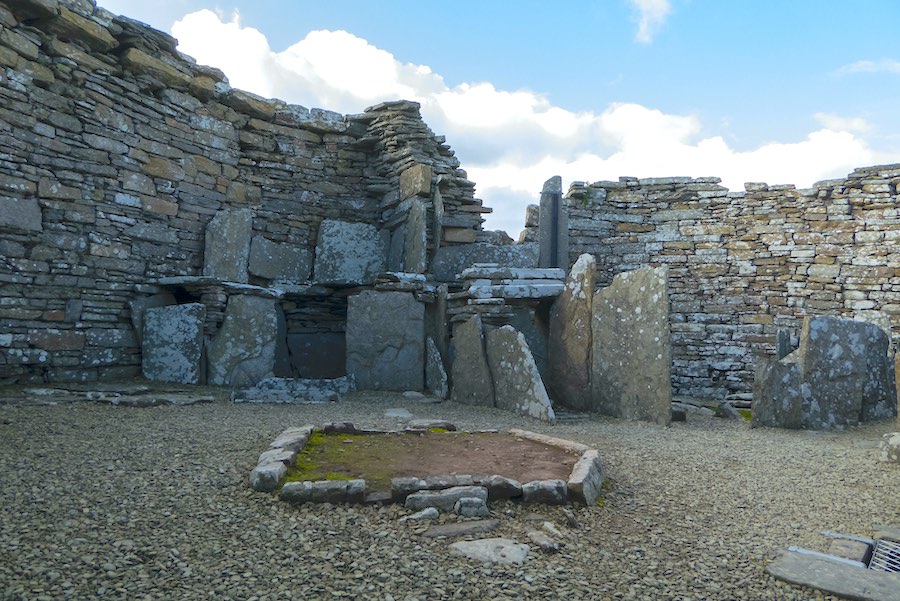
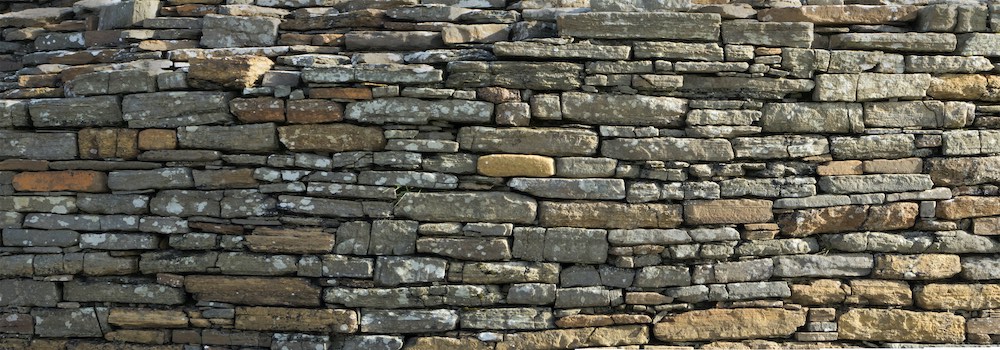
The Orkneys are festooned with more prehistoric bits than any other similar area of Scotland. What links all these sites togteher and with the present, is the work of the coolest profession of all – that of the stone masons. They play with massive or tiny jigsaw puzzles and create really beautiful patterns. Starting with the brochs, which were beehive shaped buildings, double walled, that were the fortified part of a village. Below see the inside of a rounded wall, and a detail of the outer wall of the 2500 year old Borch of Gurness.
At the very NW point of the island is a round blob tiny island that can be accessed at low tide. It was chosen as the headquaters of a viking ‘king’, Thorfinn Sigurdsson, who ruled the northern Scottish lands, the Hebrides and of course the Orkneys. Below is the man bit of his house what remains from about 900AD
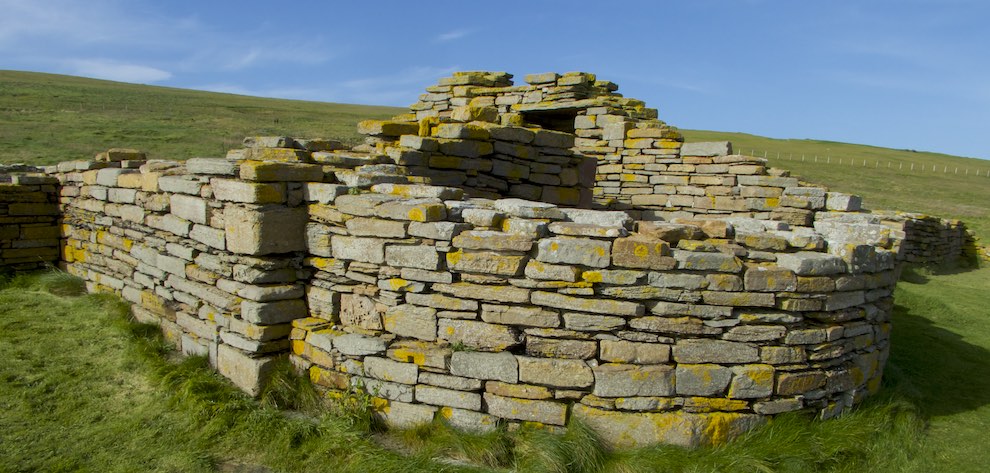
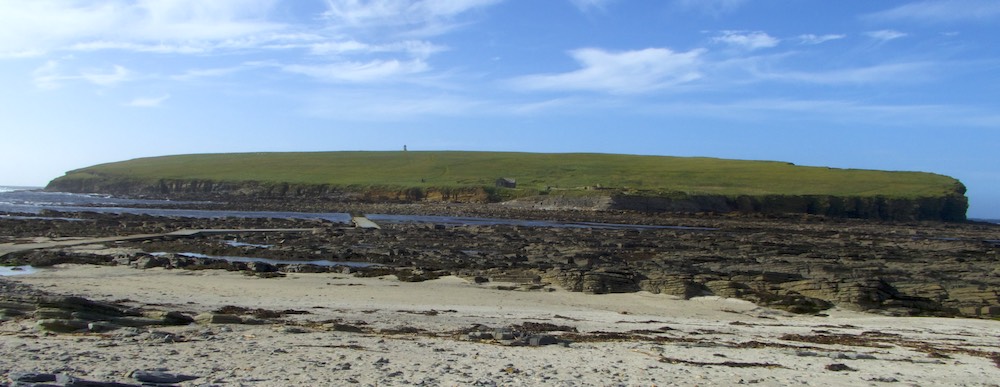
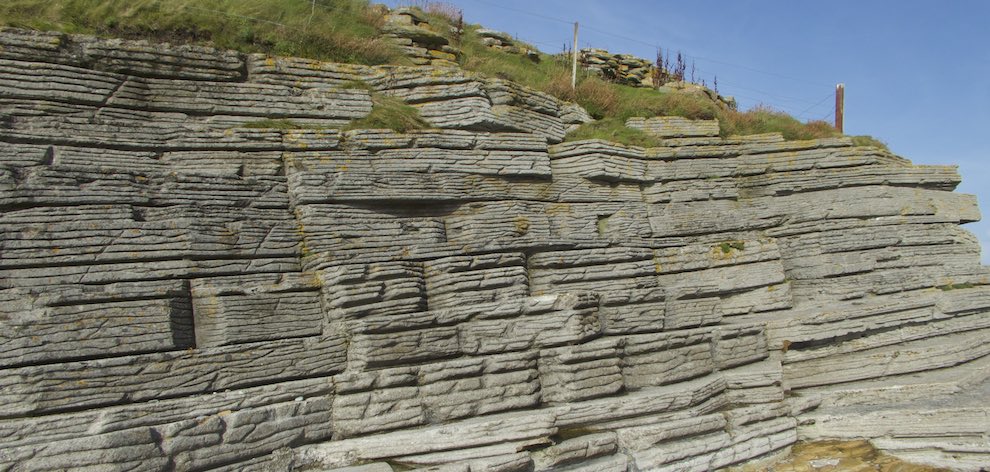
Gotta love the stonework. And below see the cute island what it is on, and a detail of mother nature playing stonemason games of her own, on one edge of the island.
On my last visit 11 years ago, I stopped traffic on a little road when passing a normal looking sign for a village east of me. Little brains easily amused, I could not help my neeed to take the photo below. But here is the rest of the story. My proper god-fearing paper map of Scotlnad still has this village marked, and I drove into it several times over the last few days, from every direction, and the name is gone. Poooooofff, removed from reality. Not even on their post office. Spoil sports. So apologies for using the old pic – you just have to assume I still look just as stupid.
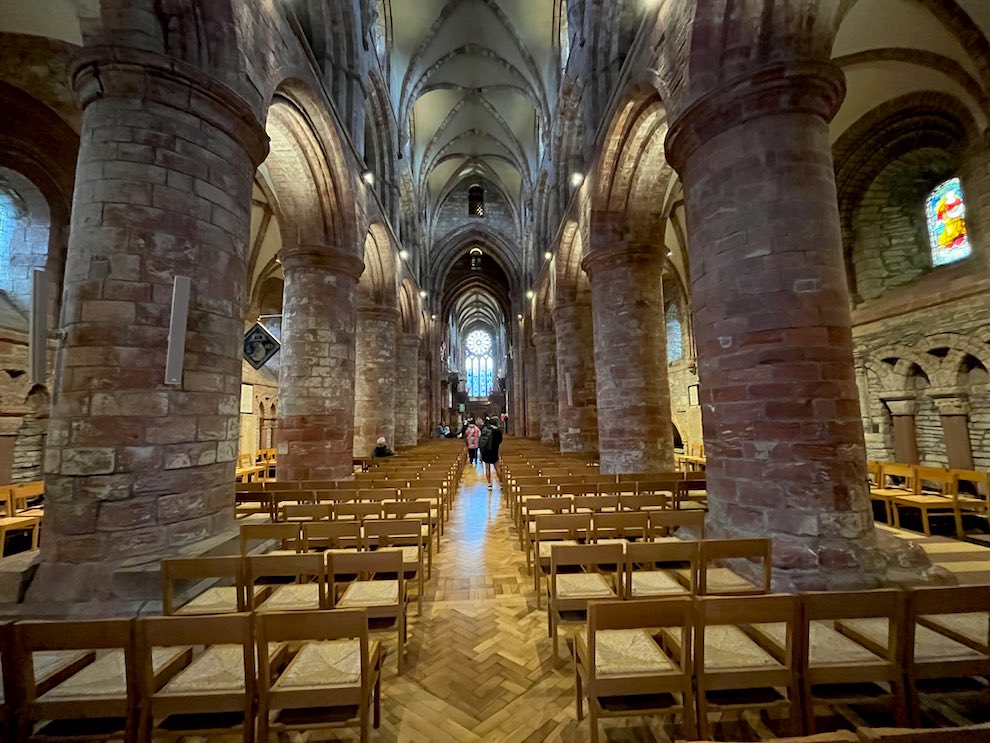
What could follow this story – well religion of course. This island actually has a full size very grand cathedral. Love the deep dark red stone columns.
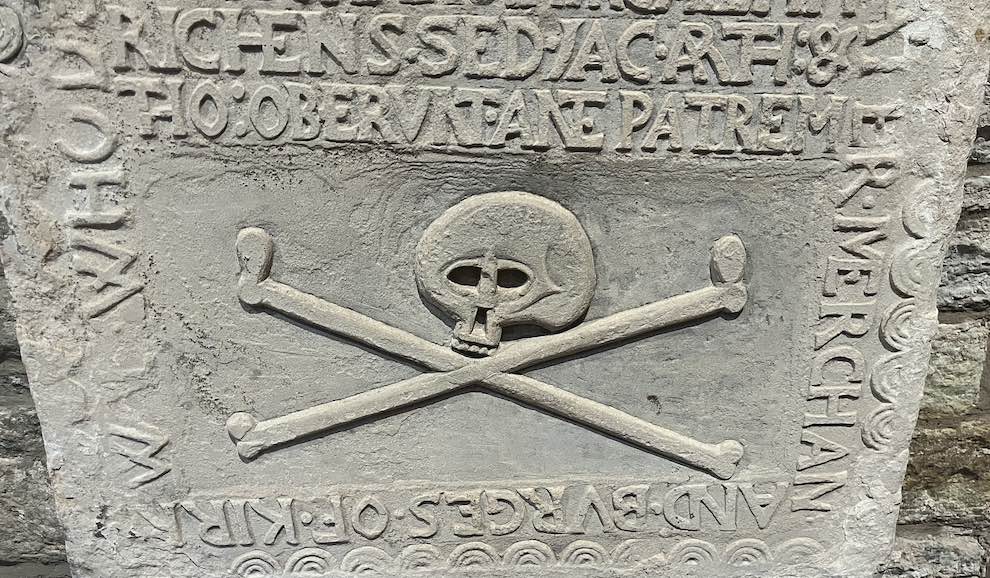
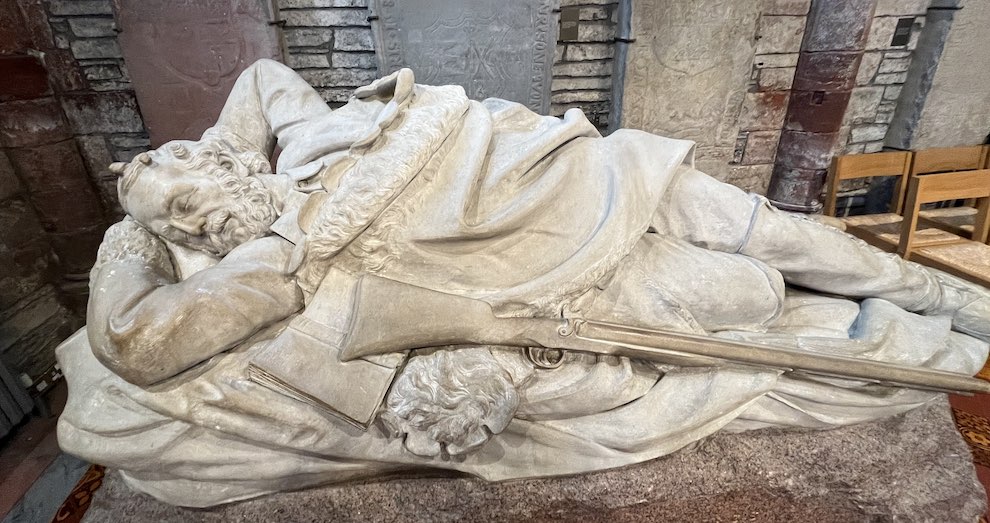
and there be fun sculptures here. Note one of many cute skulls on individual tombs of important hombres, but my fav is this dude sculpture – loving being dead, fully relaxed as if fallen asleep after a bit of wine at a sunny picnic.
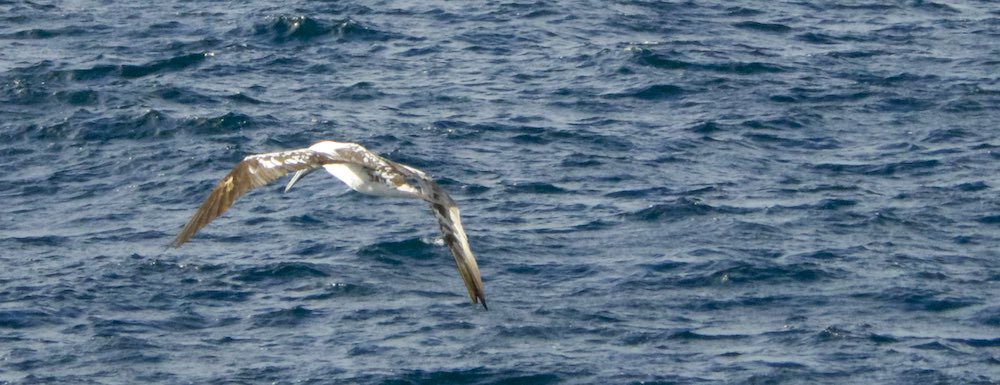
And twas time to leave the Orkneys and enjoy the swell swell on the big boat journey to the real mainland. While maintaining an upright posture, a fav sport is observing the various birds which easily keep up with the ship, and take advantage of the startled fish as we pass. See this dude as it spotted a quarry and was under water a second later.
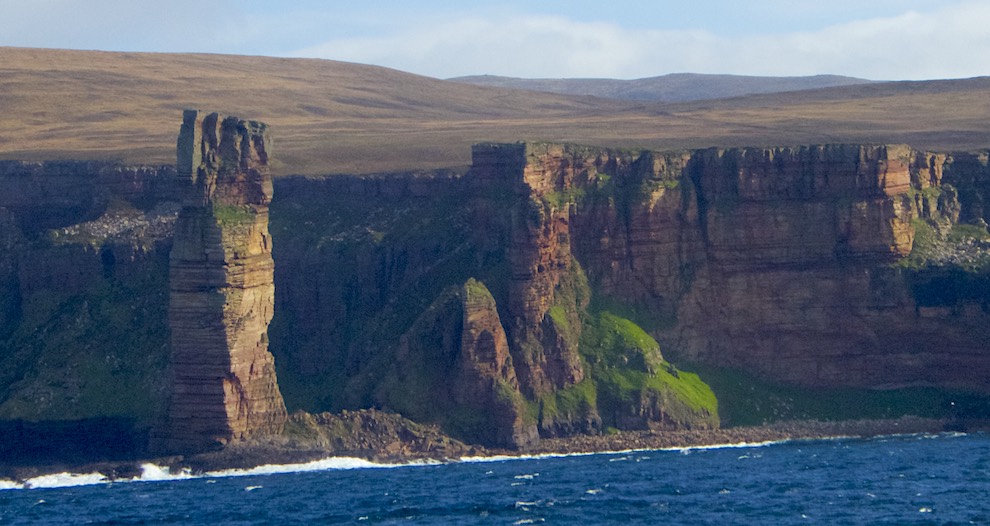
Passing the isle of Hoy in better weather than a week ago, its famous sea stack, always called ‘the old man of…. in this case Hoy, stood out nicely. Note the deep red colour of the rocks, like those what built the cathedral innards.
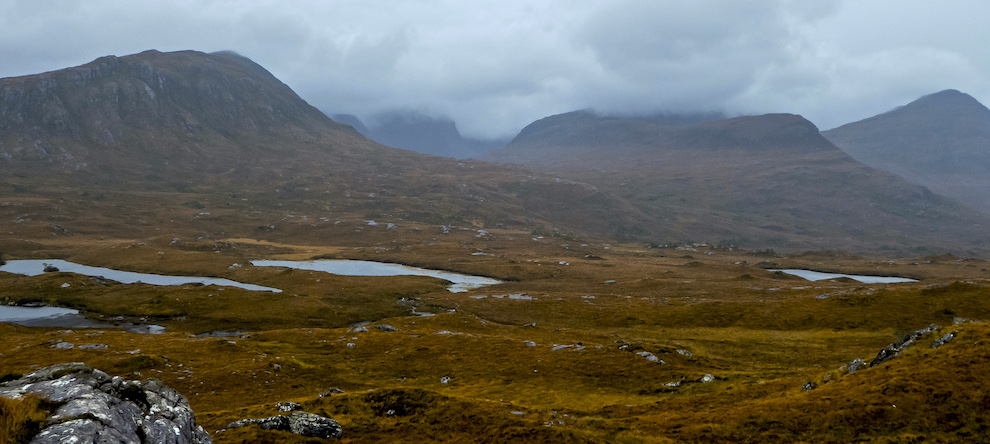
Apart from Hoy, the Orkneys are largely flattish. No highlands grandeour, though much good stuff to see. Nevertheless as soon as back on the mainland, the contract and my love of the Highlands, stood out.
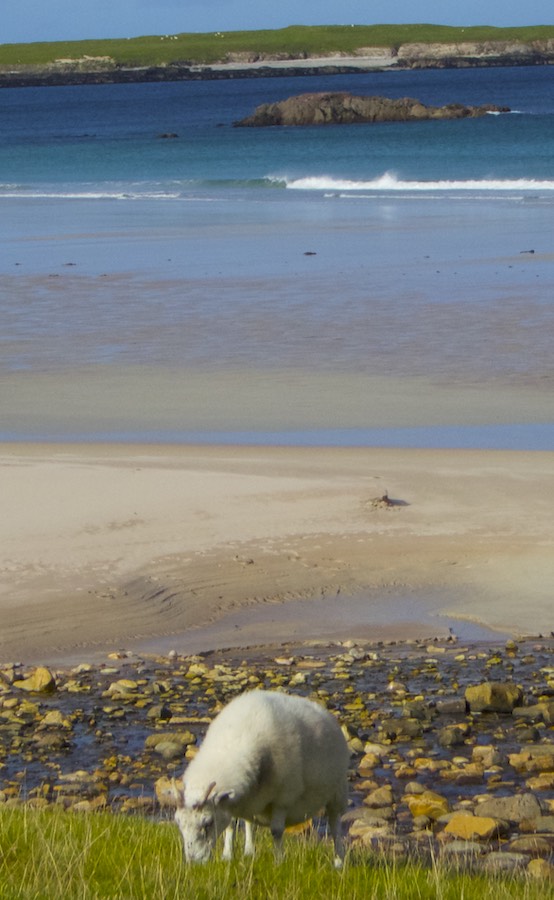
…and a small detail – many beaches in the HIghlands have white sands and deep and meaningful blue seas that would do the Carribean proud. However the cold water, and the definitive Highland sheeps, soon tell the difference.
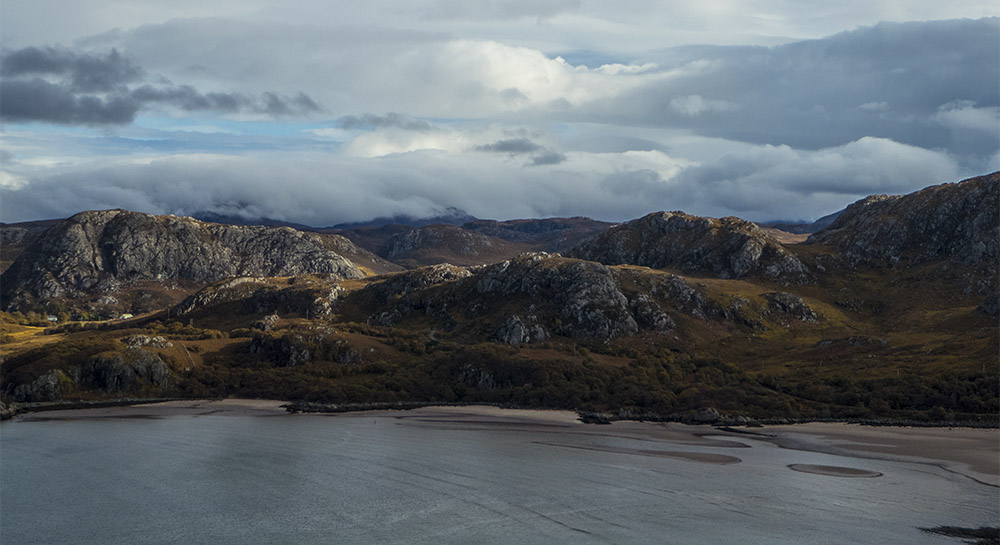
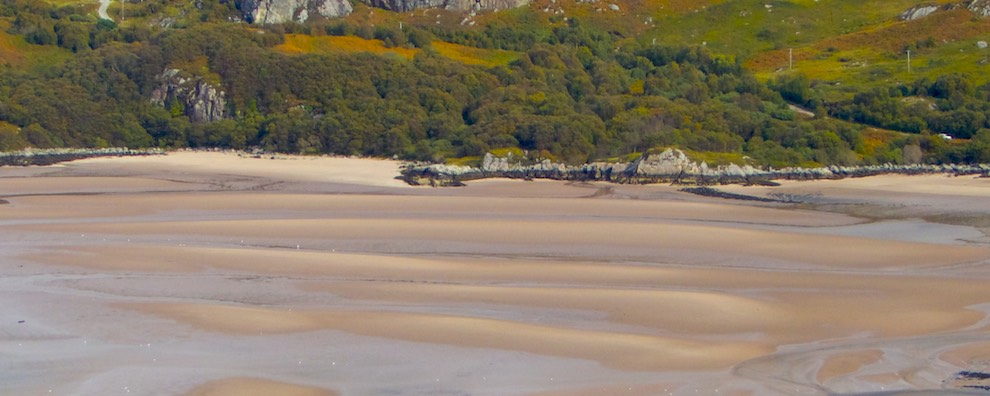
Another very changeable day in the Highlands later. Drive south along the west coast. And having just talked about white sand beaches, you need to see that Scotland has very original orange-ish sand beaches too. See Gruinard bay, in a mood…. and sunnier times
..on the way had to visit my fav trees, planted over 100 years ago on a private estate by a far seeing laird. I have shown bits of this before, but this is now and they be sooo cute. First the ash trees.
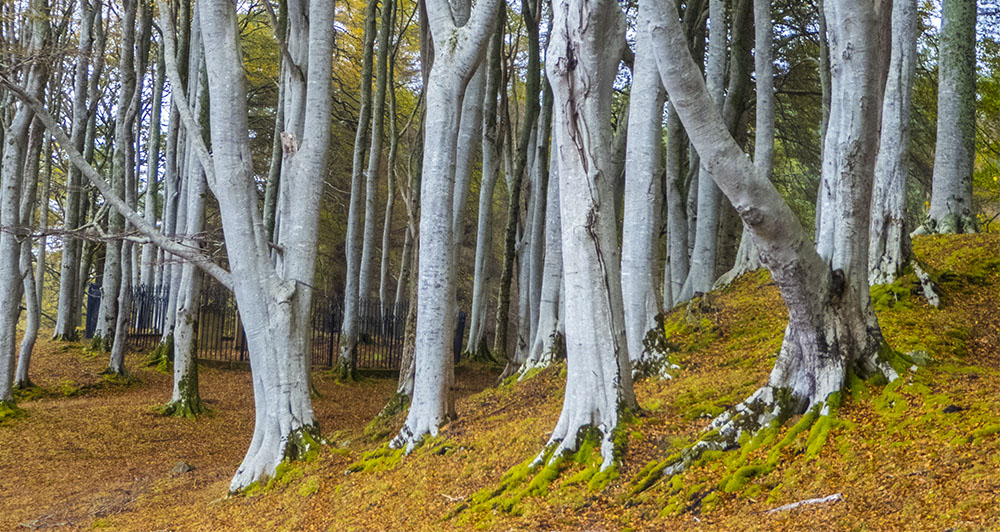
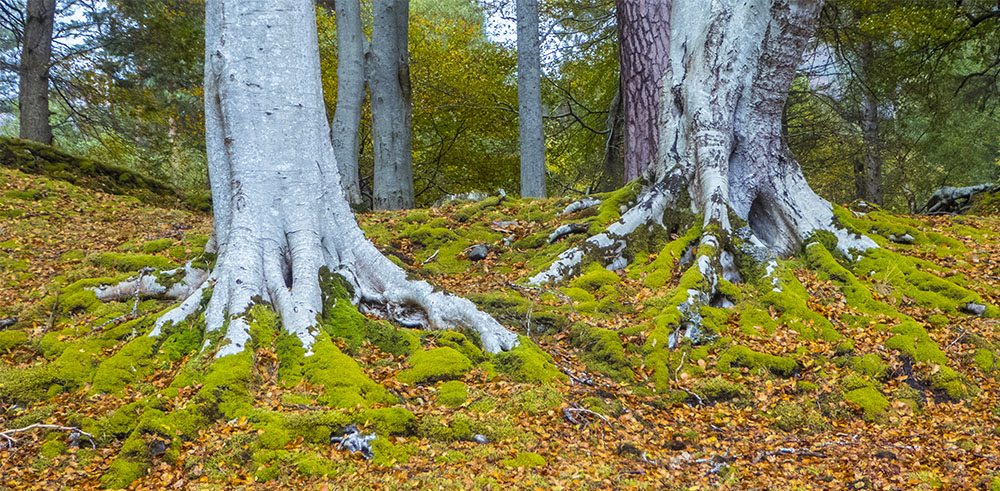
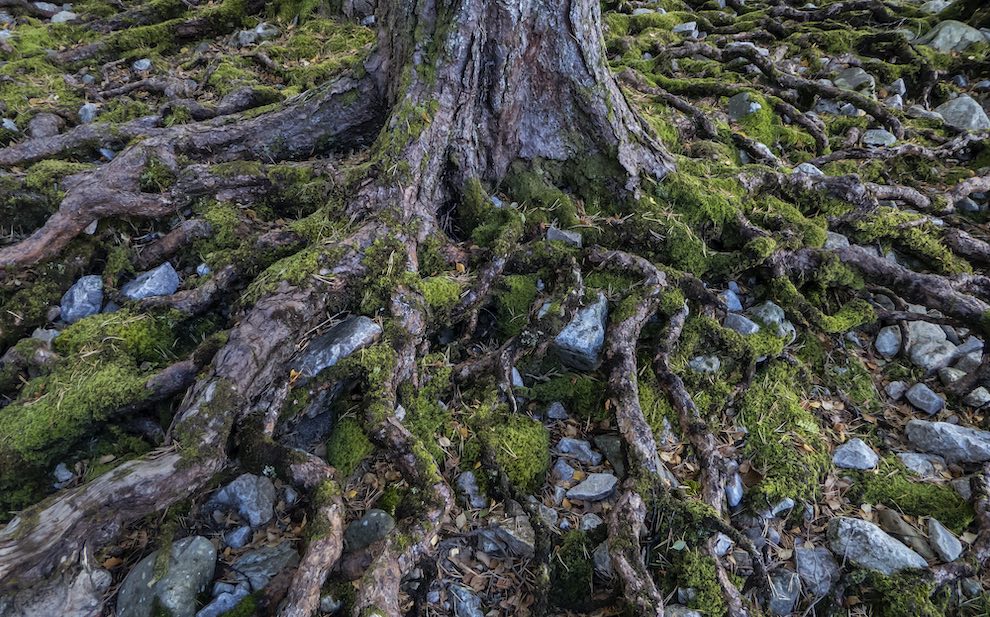
They grip the earth with their root fingers. And for more gripping complexity, see the roots of an ancient Scotch pine taken in the Caledonian forests east of here, long ago.
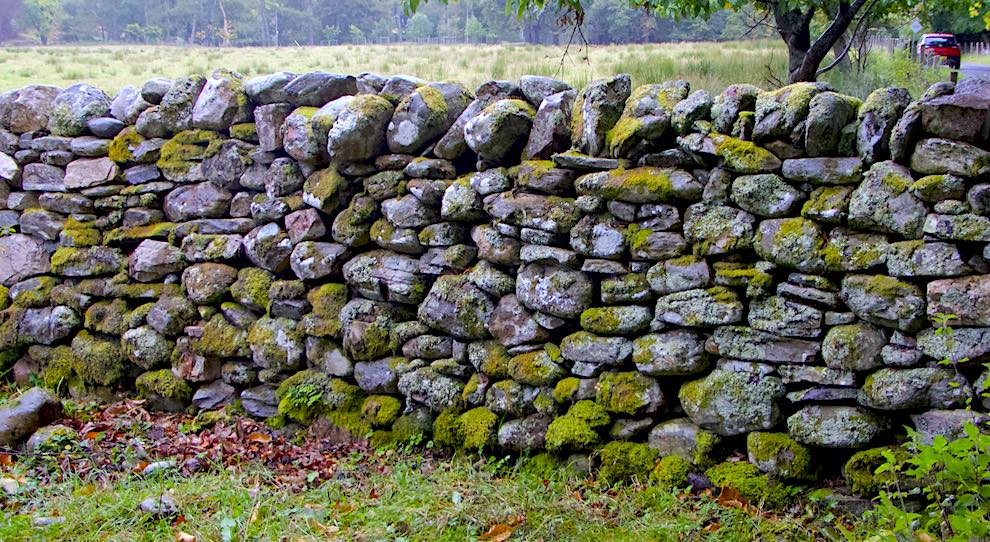
and as there be stones it is gripping, it reminds me that in this forest is another, me thinks harder to achieve, old stone fence. The pieces are not perfect rectangles like on Orkney, but rounded, and yet perfectly slotted in place by the master stone mason dudes.
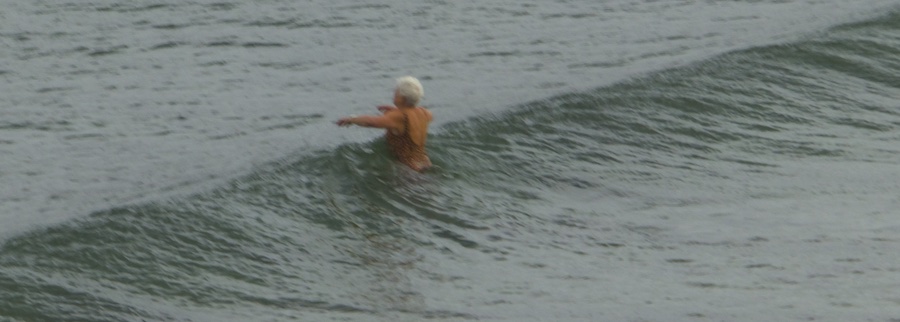
and… addendum to to the picture of an enticing but impossible beach. Lately a silly nordic habit has invaded the Scottish coasts. I often have my view of a beach interrupted by a dude running madly into and even more madly, out of, the waves. A right of passage type of silliness. And it is often old farts what should know better.
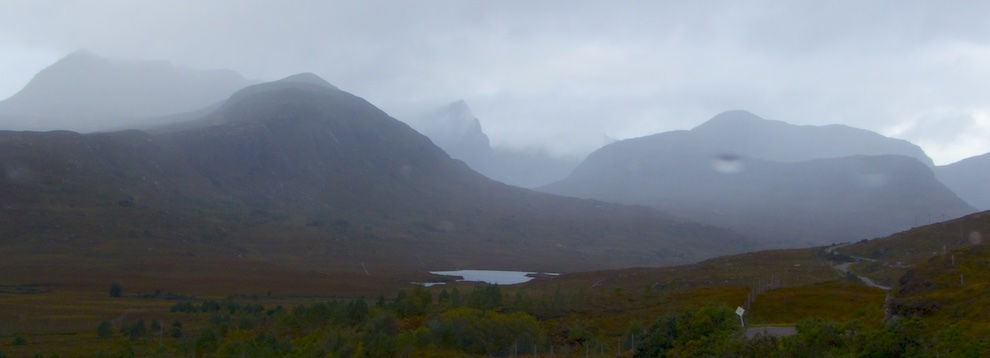
after that, need a serene picture – the wonderful horizontal drizzle, lovingly called mist, what can happen any time and often.
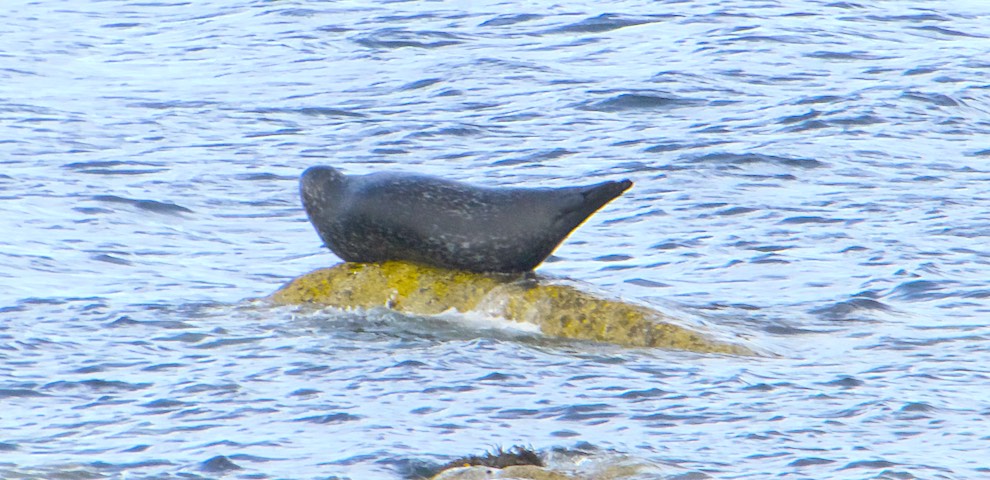
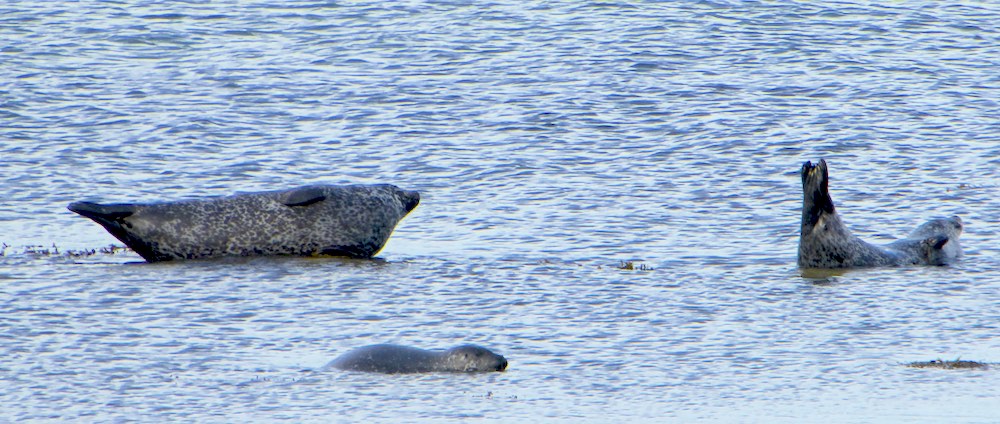
There is a beach, like any others, near a village called Laide. The road comes right to the sea at one point, and I espied out of corner of eye something definetly not quite right. This area is famous for cavorting seals, but its what they do when ‘relaxing’ that is a mite wacky. With a whole beach to lie on and stretch out and relax their bodies in the sun, all the seals today chose to find rocks in the sea just big enough for them, and assumed “I’m a little tea pot one two three” unrelaxed body poses. Go figure
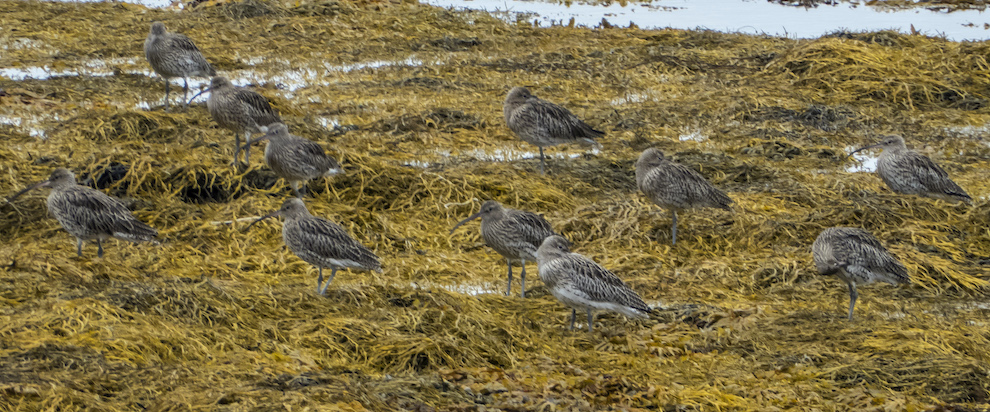
Speaking of foreshores – these are places I spend much time in and love to spot all the birdies – much easier to see many species there than in a forest. Last year I met a sweet old lady twitcher at a beach north of here, and she was quite excited about spotting a curlew on the shore. I came back to same beach yesterday – no old biddi, but look at the masters of camouflage, all 13 of them…
Today was forest day. Just south of Ullapool is one the great arboretums of Scotland. Started in the 1700eds by a wonderful tree collector called David Douglas, after whom the famous Douglas Fir is named. He planted trees everywhere, and here over 200 species from all over the planet, all now big grand old dudes. See their textures…
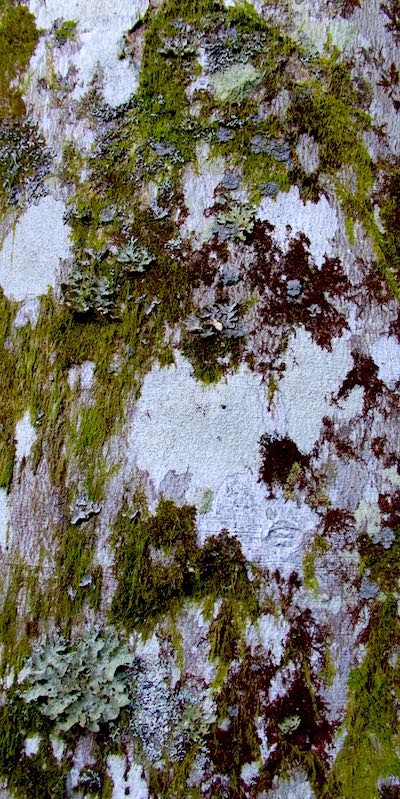
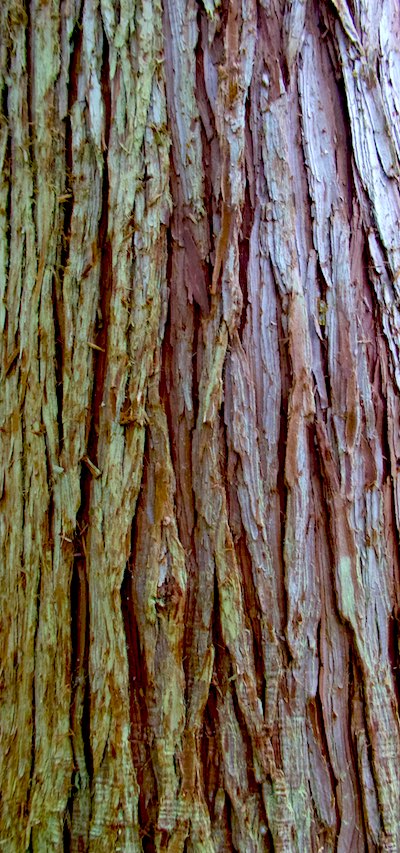
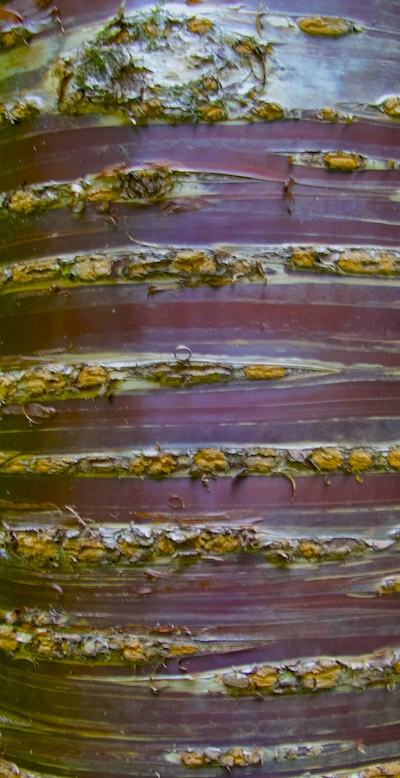
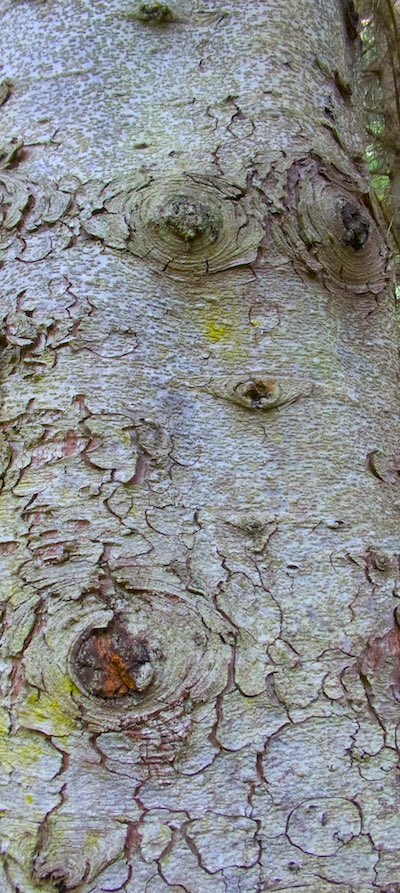
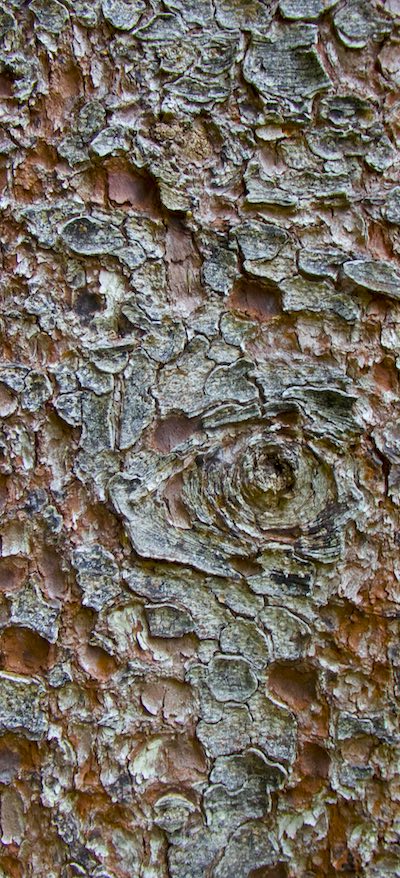
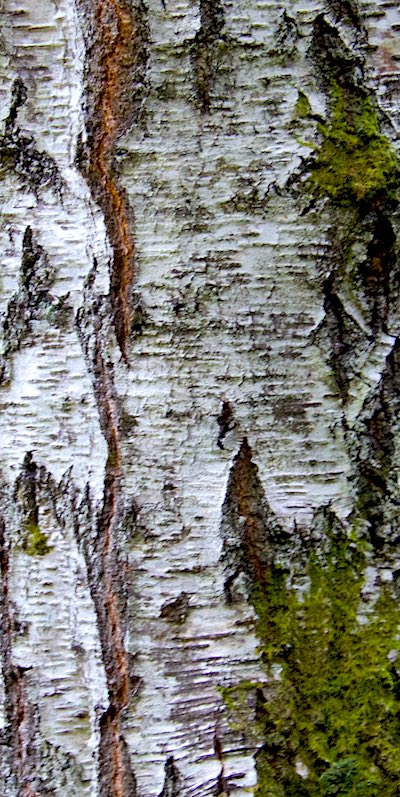
Starting at top left, here is what they be:
1 Common Beech 2 Sawara Cypress 3 Tibetan Cherry 4 Orietal Spruce 5 Silver Fir 6 Silver Birch.
Such a rich and mossy forest of course has a wealth of fungi, though the autumn season is still too youg for the best shows. Below two squeeedgy specimens out early.
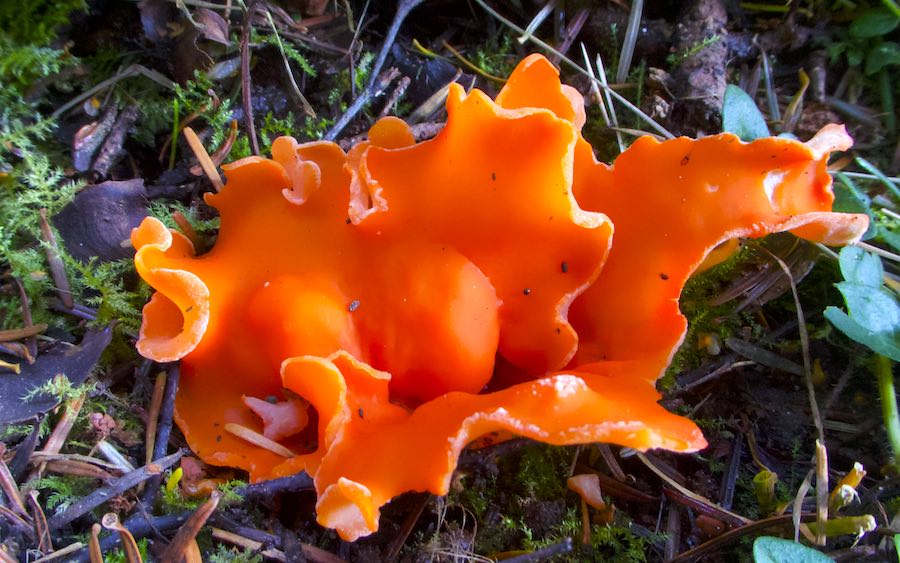
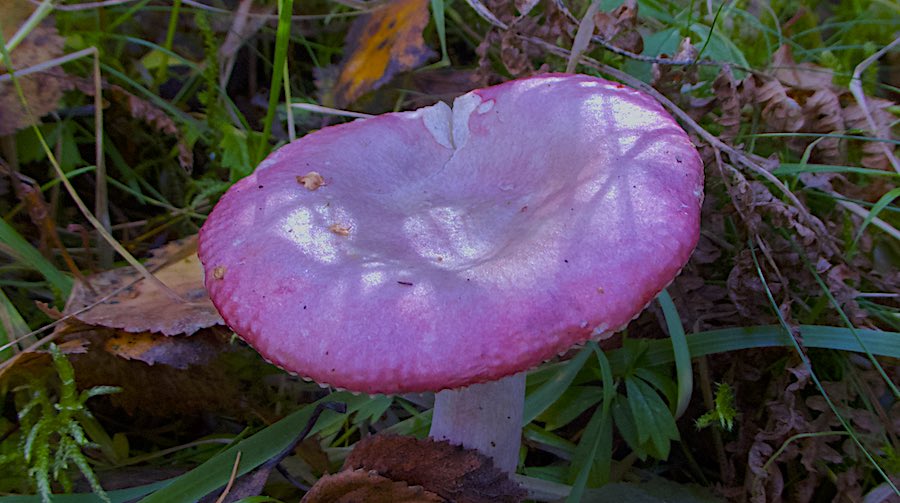
You know it is just as well that the Highlands can and often do have every weather every day. Humans passing by only once, in its different moods, see completely different landscapes. One reason I come back often. See a scene from a lookout close by that over the years I have espied in every mood from a snow storm to crisp sun… now and then and …both pics taken same day.
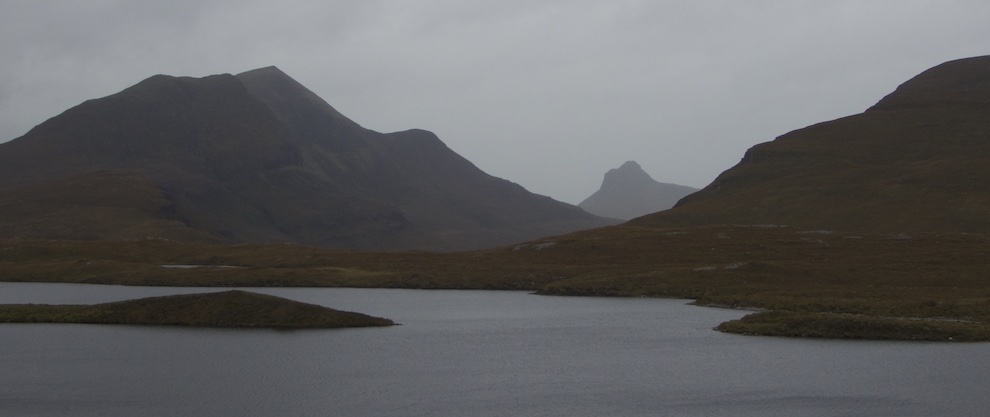
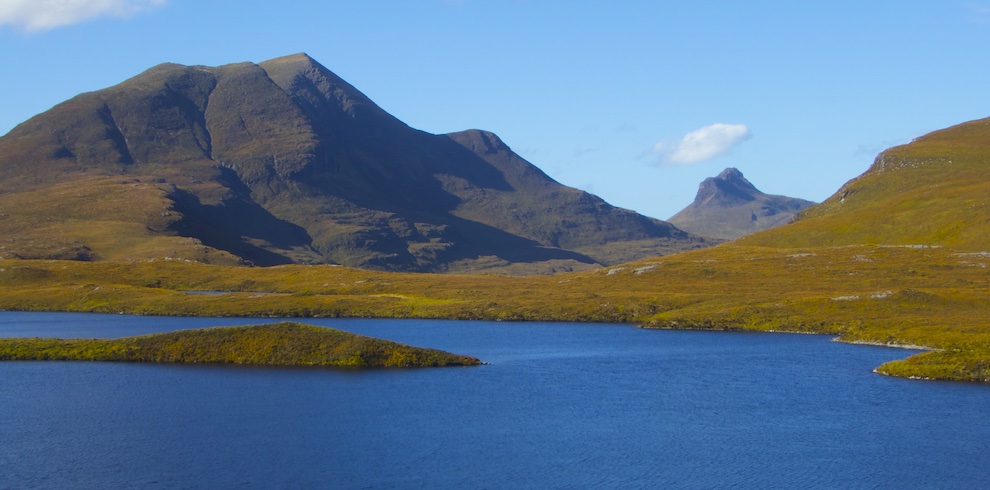
as they say here “if you dont like the weather, wait 20 minutes”
Two days later, moved over to the west coast, a loch near the quaint port town of Mallaig. And just another word about the weather. Arrived in the evening to a grand view from my cottage, and woke up the next day – ALL day, to what many unlucky tourists think of as Scotland.
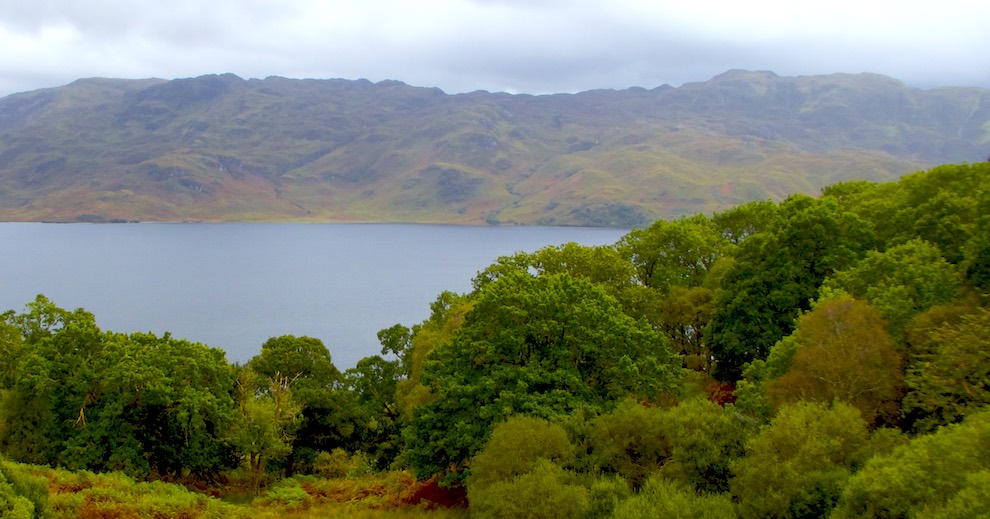
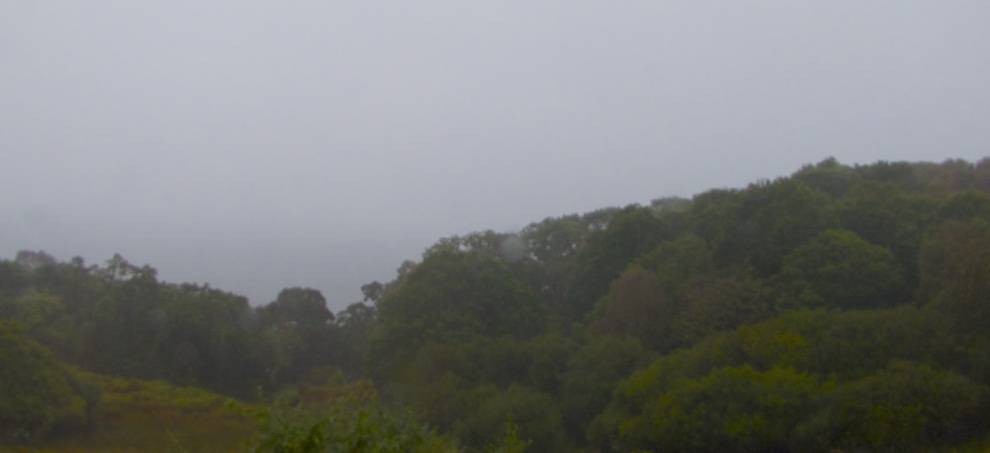
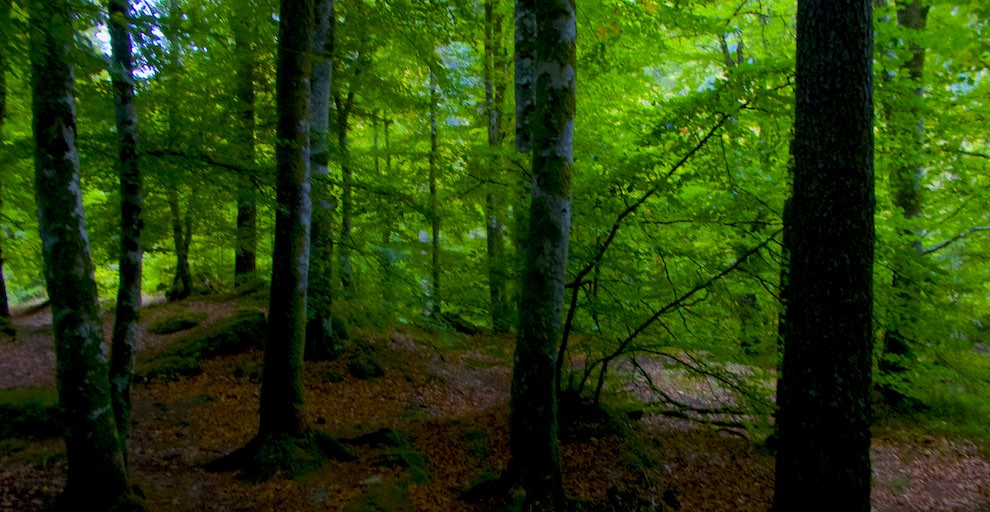
Come prepared for any evntuality, come with time to spare. Oh, and on the way here, passed by the Fairy Forest what I love in all its moods. Here deep and meaningful.
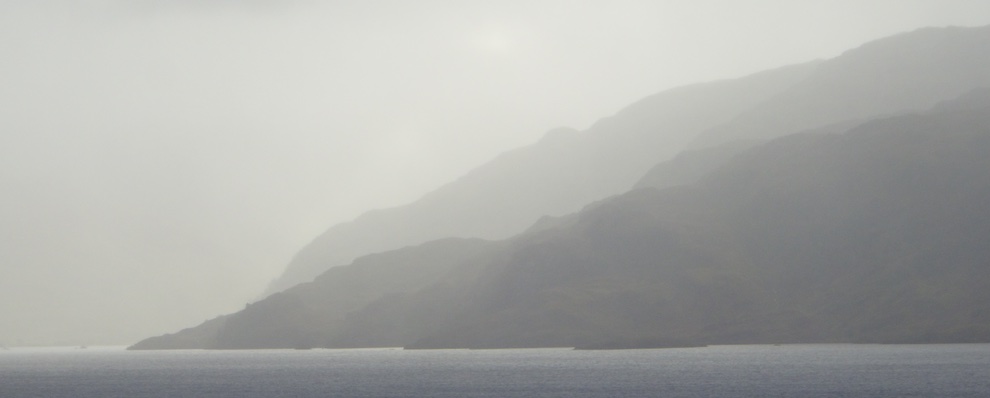
So after a rip snorting rain day, the next morn started with that special misty mountain light we loves.
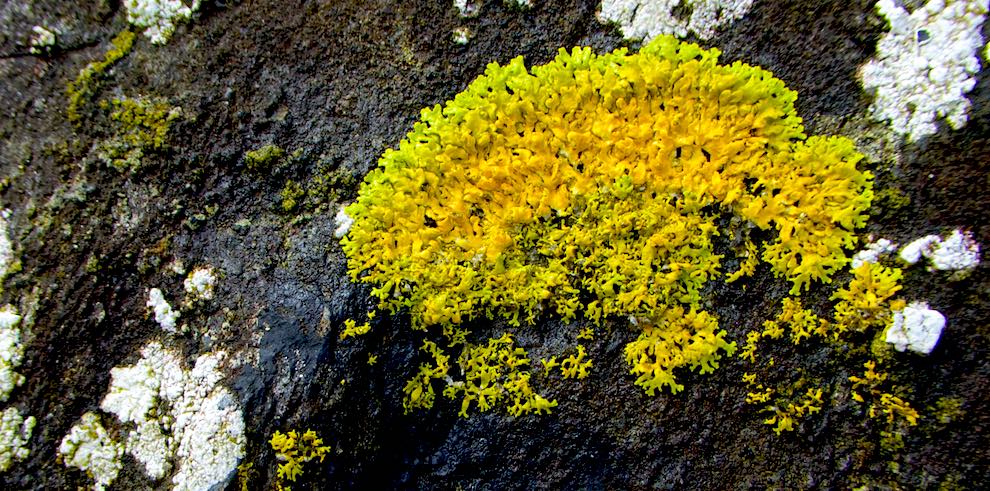
So it was off to explore the gentle beaches and island views of this coastline. And looking for the details therein.
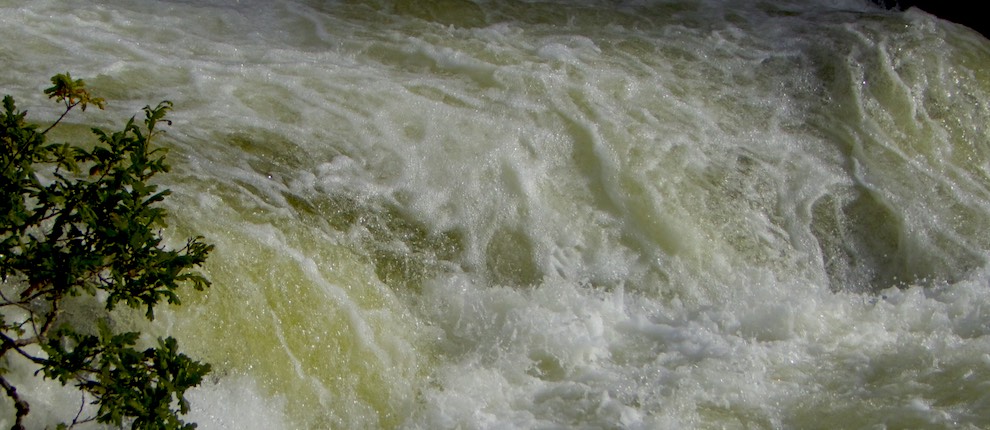
Over here when a river gets excitabable, they say it is ‘in spate’. See the happy happy local river emptying out Loch Morar in the morning.
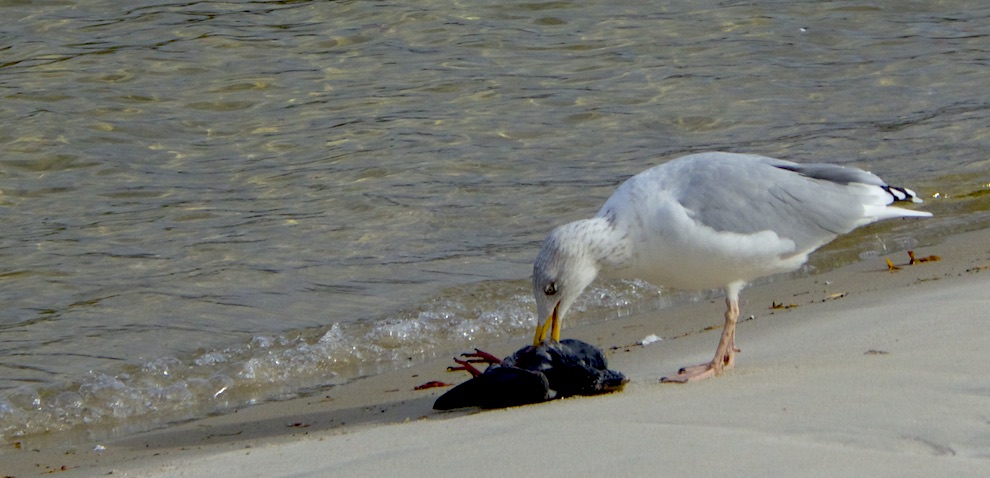
and on a long beach walk I espied a real rarity – a seagull eating something other than chips – in this case a yummy drowned pidgeon.
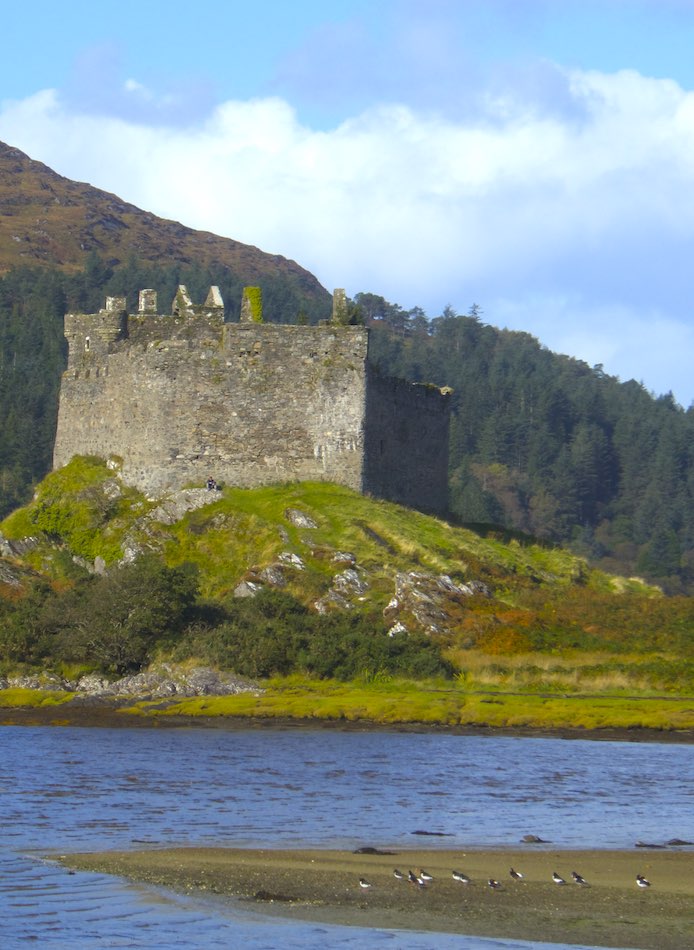
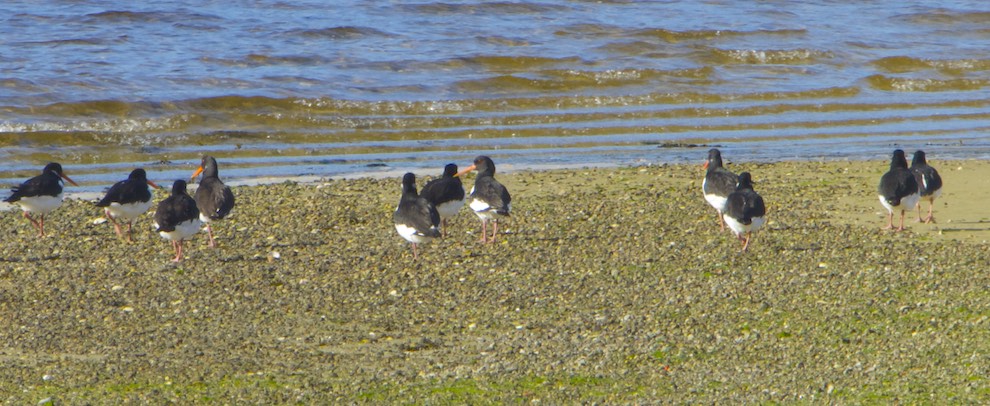
Another day, an inland trip to little villages south of Lochailort. Here be a castle ruin, many of which be in Scotland. But see what is in the foreground. Another bird lovers surprise, a whole gaggle of oystercatchers
On the old estate the castle is on, there be lovely aged scenes. Stating with the postcard below
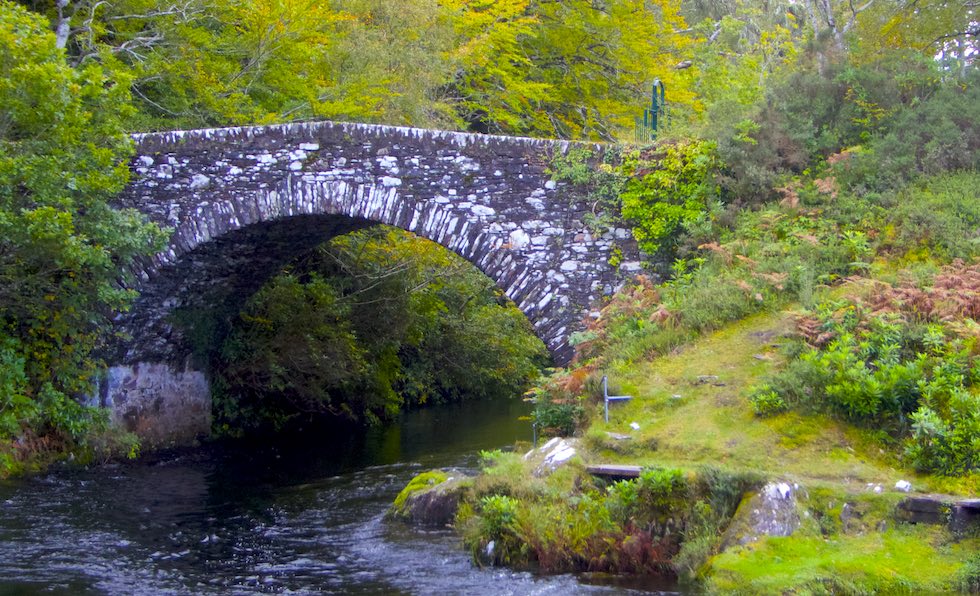
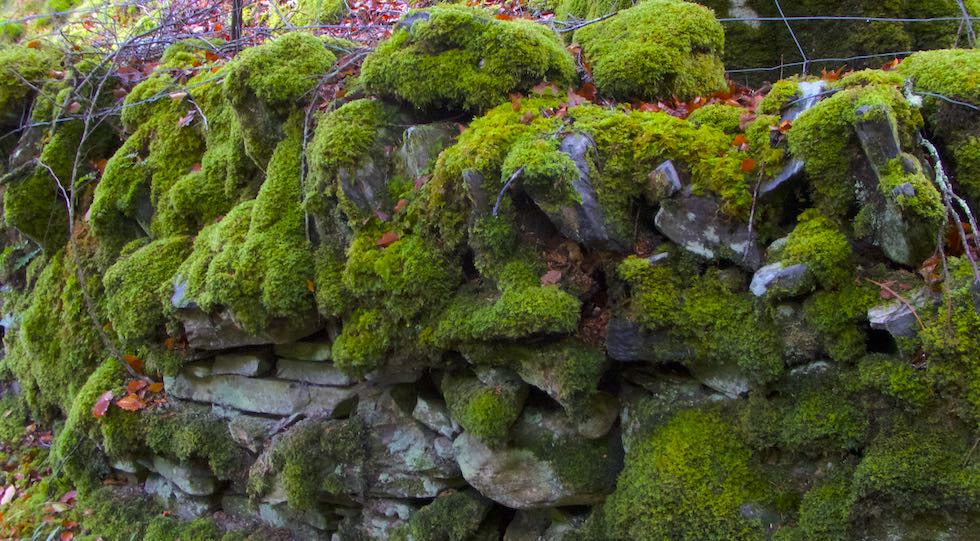
and with all that age, even stone fences get lost in the antiquity of Mr moss.
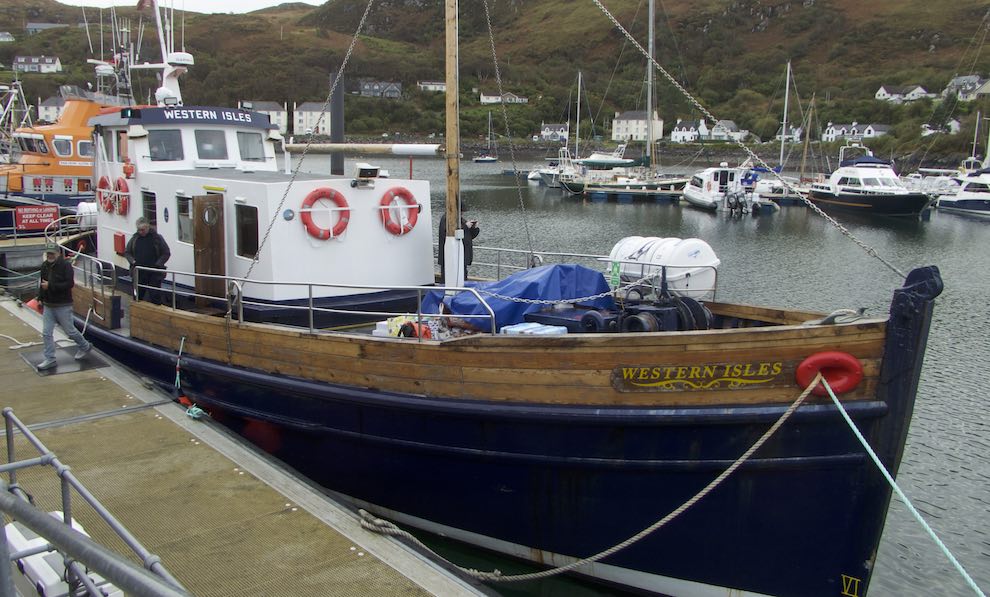
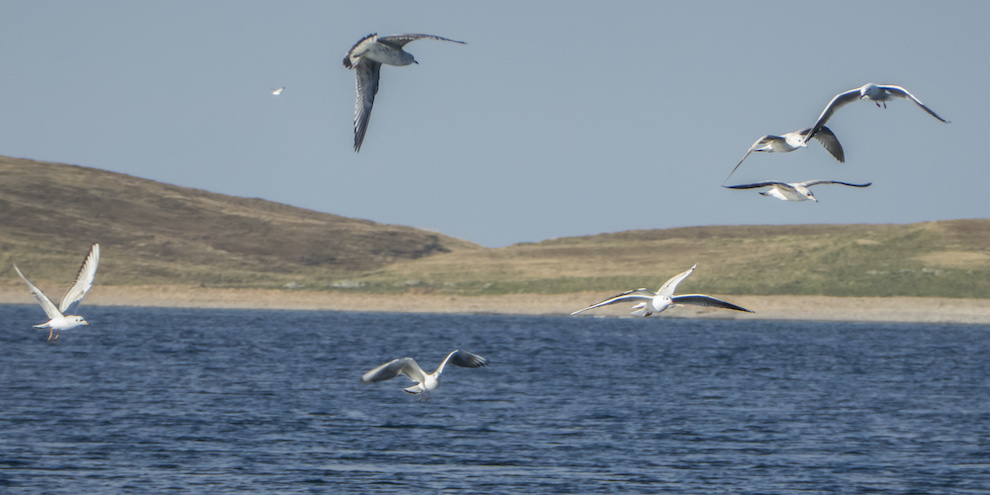
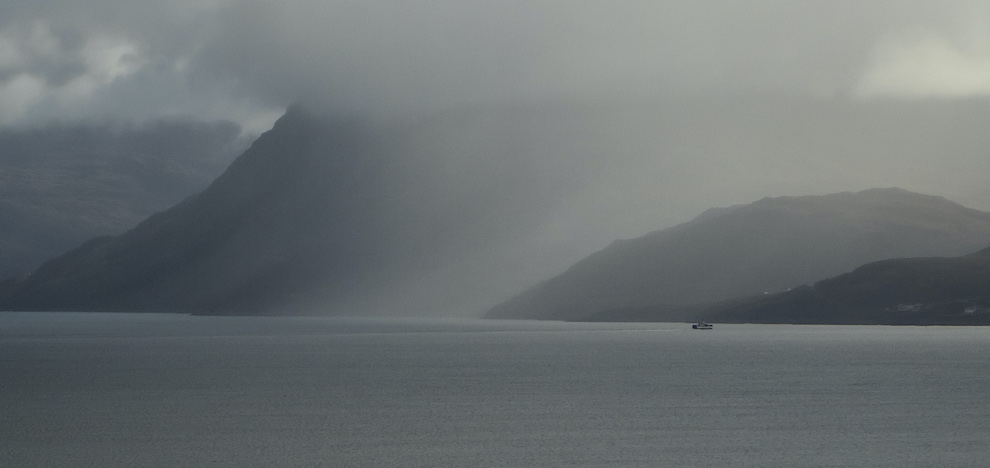
And twas time again for old man to go to the sea in (little) ships. A cute old boat that took me north to a village accessible only by boat, which boasts the most isolated pub on mainland Britain. On the way the birdies came hoping we were a fishing vessel with fish bits to steal, and mr weather turned on a bit of a wet show.
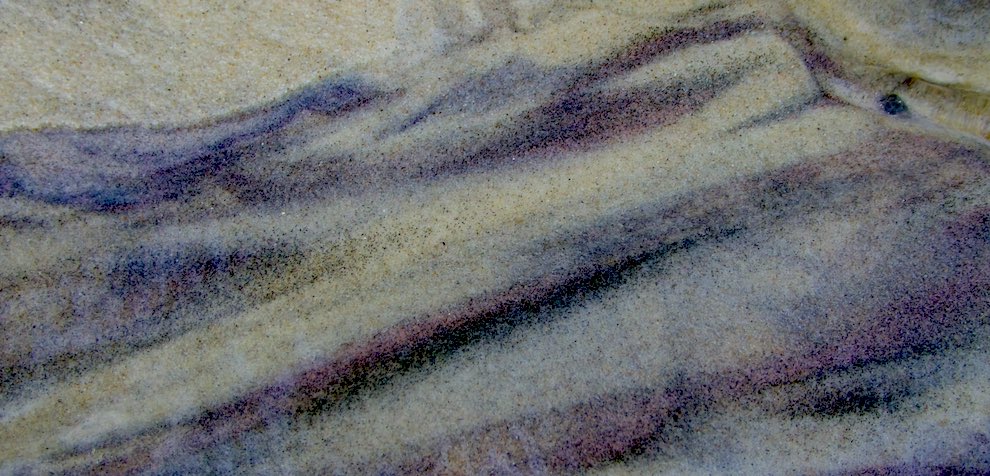
Much driving in the rain to get to next location, Aviemore, surrounded by ancient Caledonian forests. But before departing the coast, noticed two things. One is that the rain leached out cute minerals out of the beach sand.
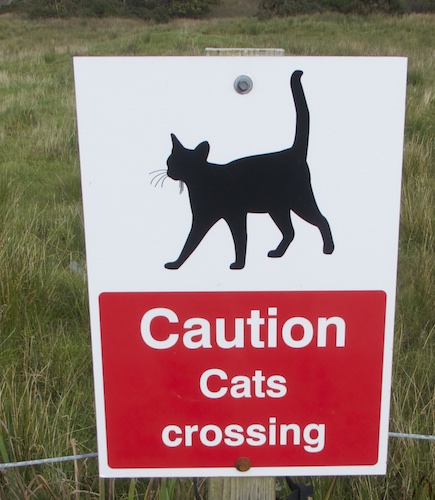
and the other is that I am not the only puddy-tat tragic. Someone cares.
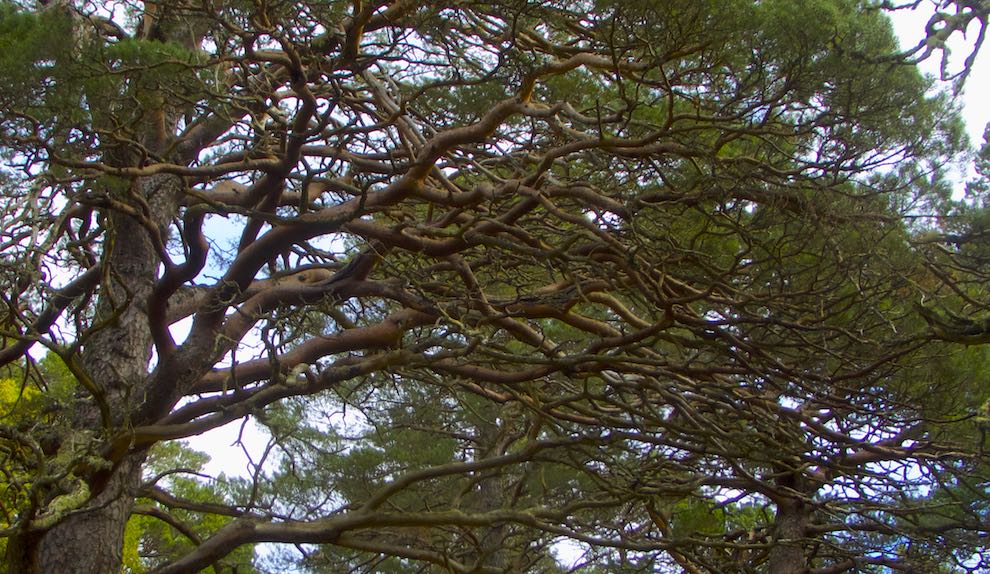
So a day at the altar of old trees. The Scots Pine is very special. It does not grow as a stick like planted radiata pines. Its branching is unique to each individual tree, and goes beyond merely dendritic, to fun chaotic.
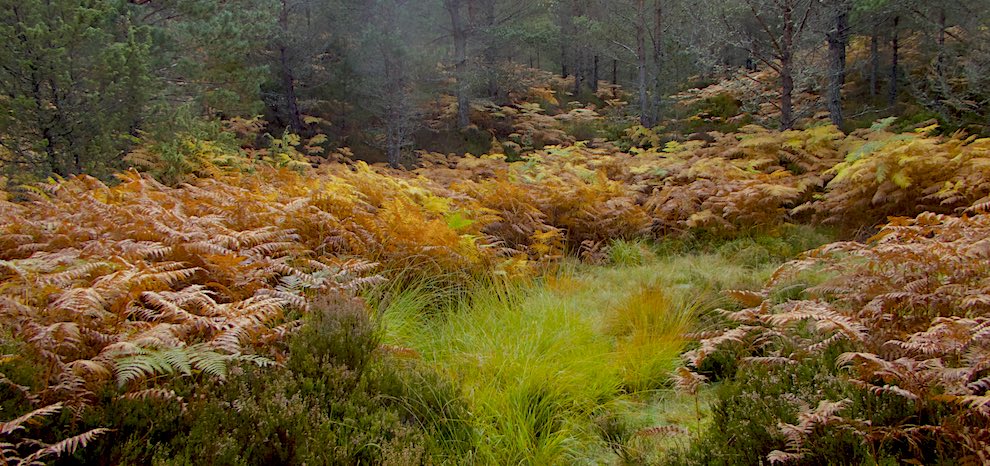
and at ground level, the bracken, lowly common ferns what they is, also put on a show in the autumn.
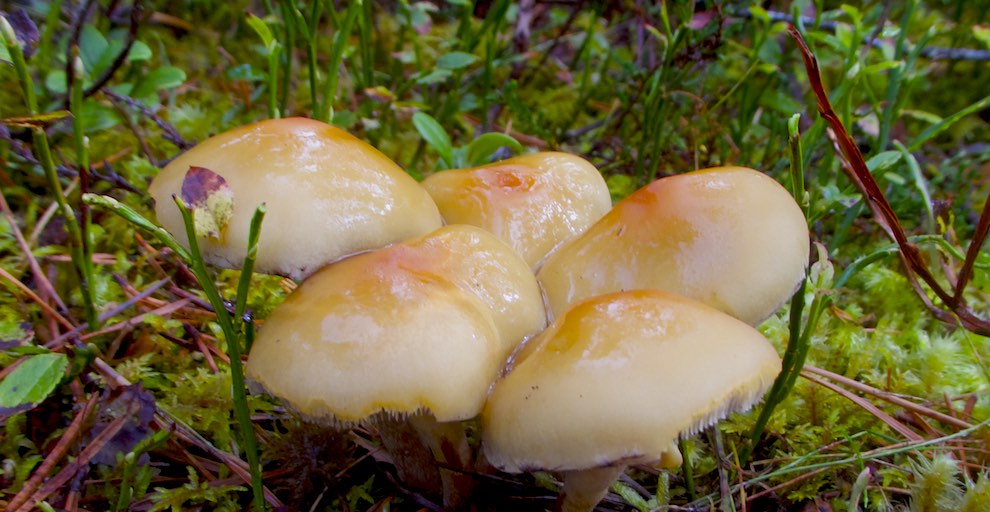
and look even more in detail, and fungi emerge. Loved this bunch which were glistening with such sliminiferous eeckiness, I just had to touch them
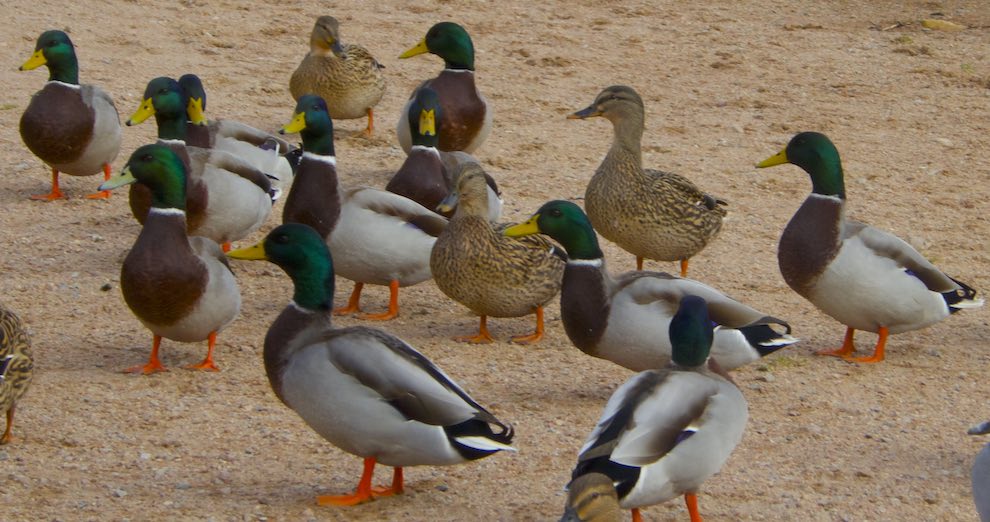
and the last obseravtion is a warning for those with ANATIDAEPHOBIA – the fear that a duck is looking at you – do not go to Loch Eilort, where humans have been feeding the little fearless blighters (Mallard ducks)
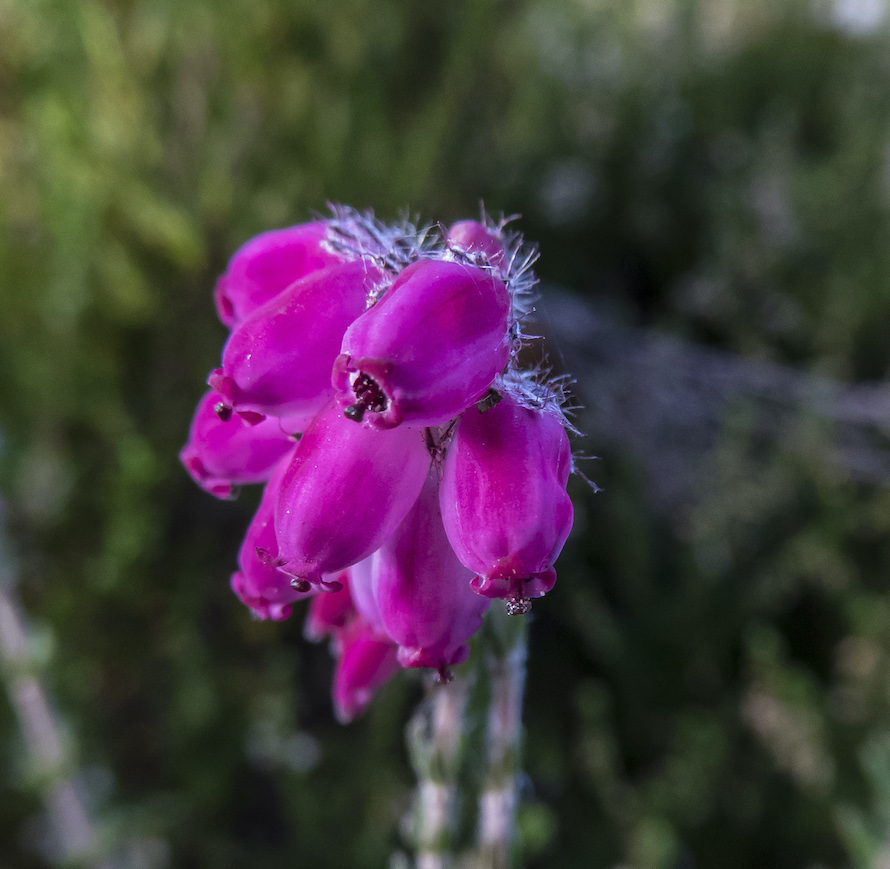
Scottish ballads will have you believe the hills are made of heather. It would do wanders for the colours, but alas heather is really only found in discreet bits here and there – and is is very bonny
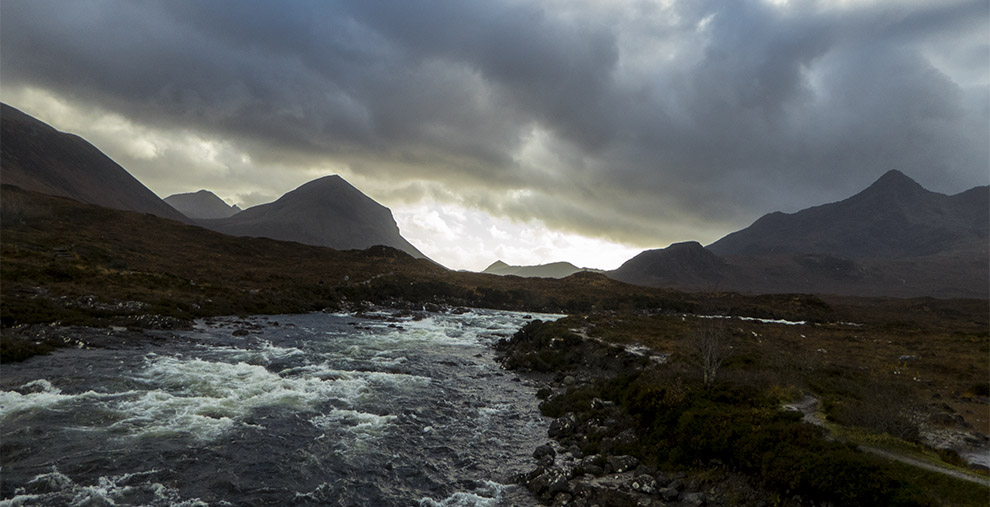
Arrived on Skye during one of those Atlantic storms with a name. Outrageous horizontal rain squalls. The next day the weather had calmed down but still retained some attitude. See Sligahan area
and one of the more photographed bits here, the Old Man of Storr
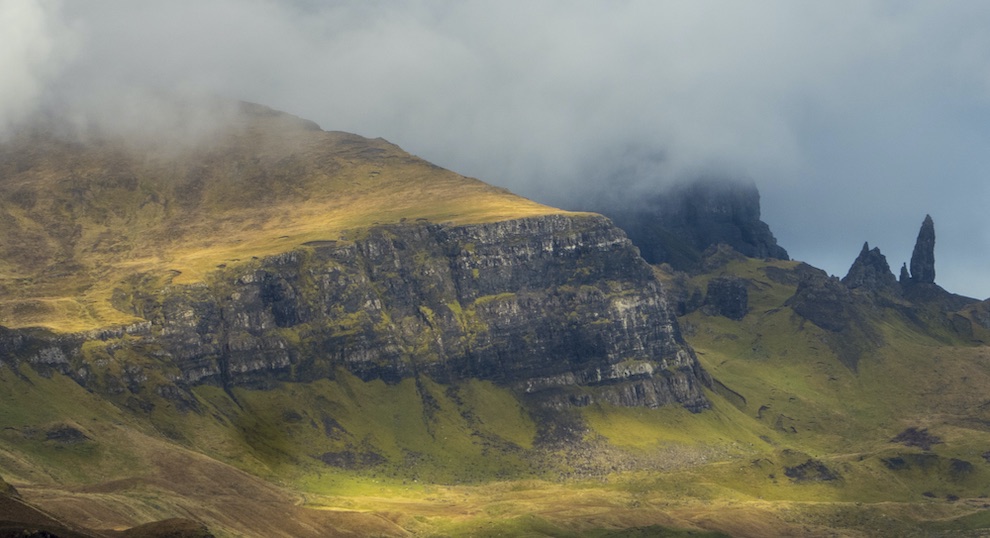
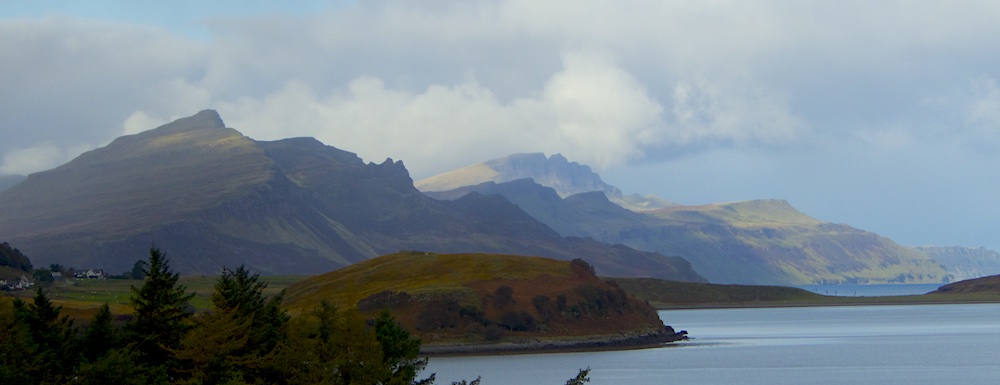
On my many visits to the Isle of Skye I never tire of a particular view, looking up along the east coast of the island. The variety of geological wonders, and the myriad colours and ever changing shades, can feed me for days.
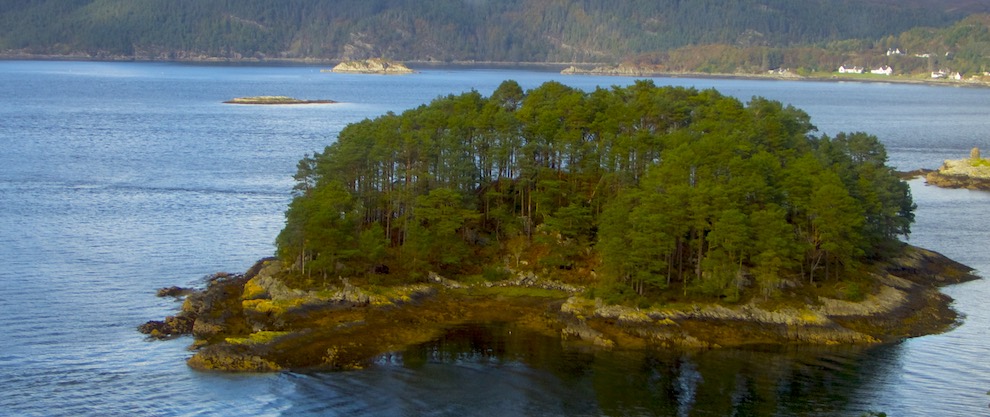
I have often extolled the virtues of the original remnant veg in Scotland, the Scotch Pine. Most of the landscape only has plantations of Pinus radiata for harvest (in the backdrop), and often the only place with my fav trees are little islands that were too fiddly to cut down
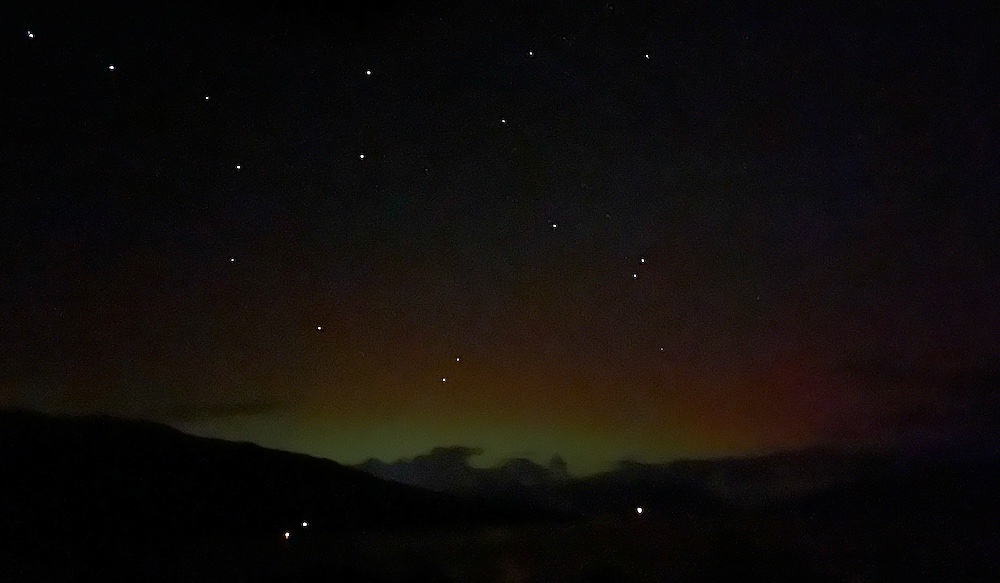
An amazing thing happened on the second to last night. The aurora decided to play. I was much excited, but remember that the picture I am showing is a 3 second starfield exposure, and is more dramatic than my poor eyes saw. Still pretty shmick. Oooooooohh
and then it was time to drive south to the big smoke of Glasgow. Along the way, on a crisp sunny day I couldnt resist the odd reflective landscape.
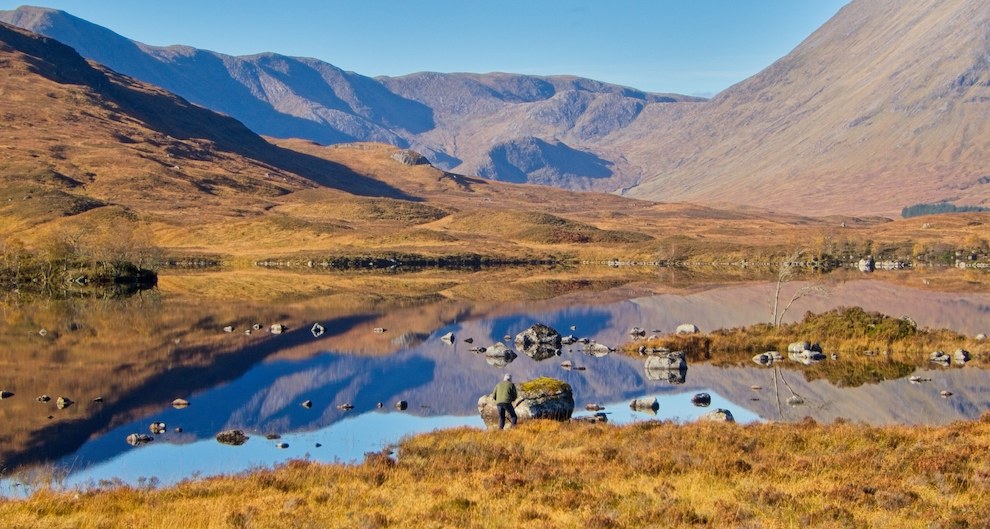
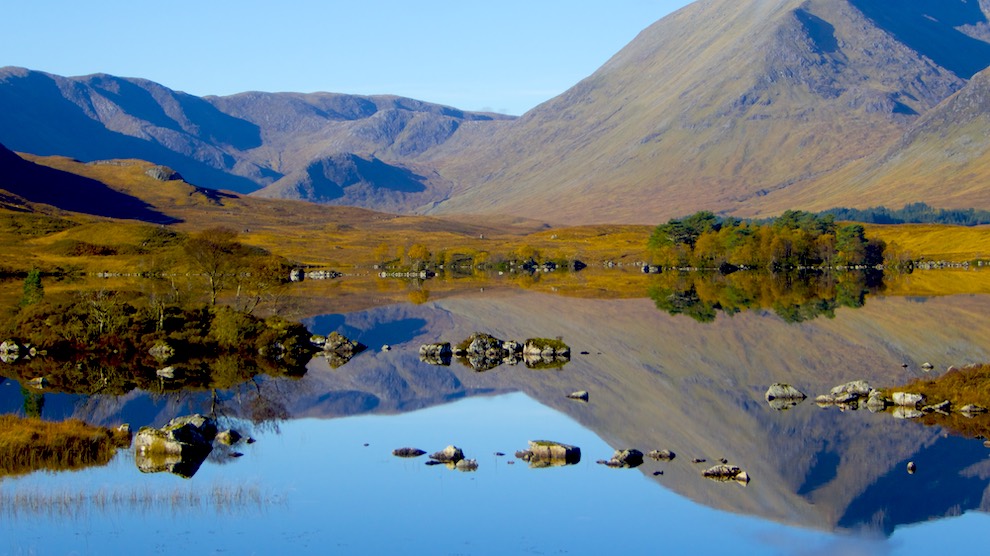
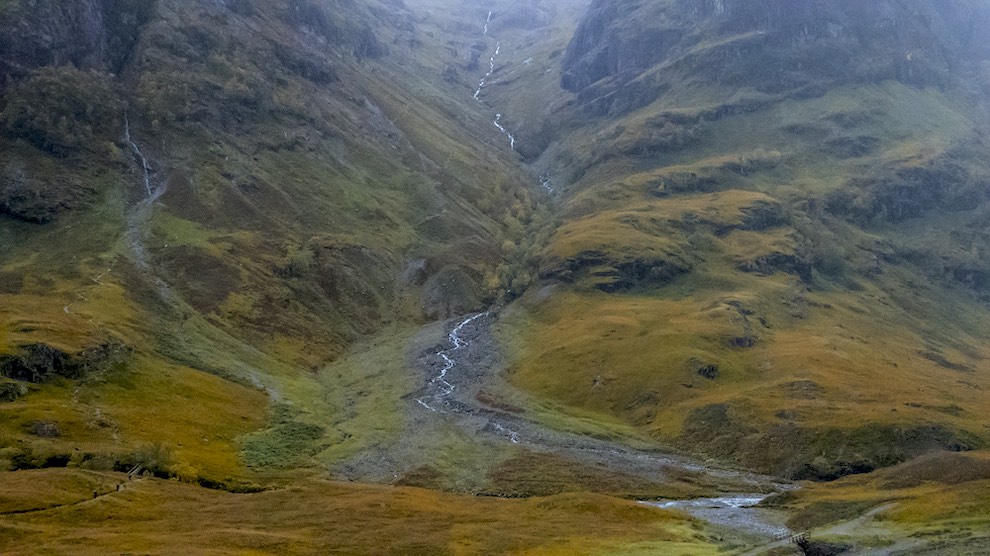
and the last marvel before the magic ends is the deeply moody Glencoe – a mega valley with a bloody history and grand geology